
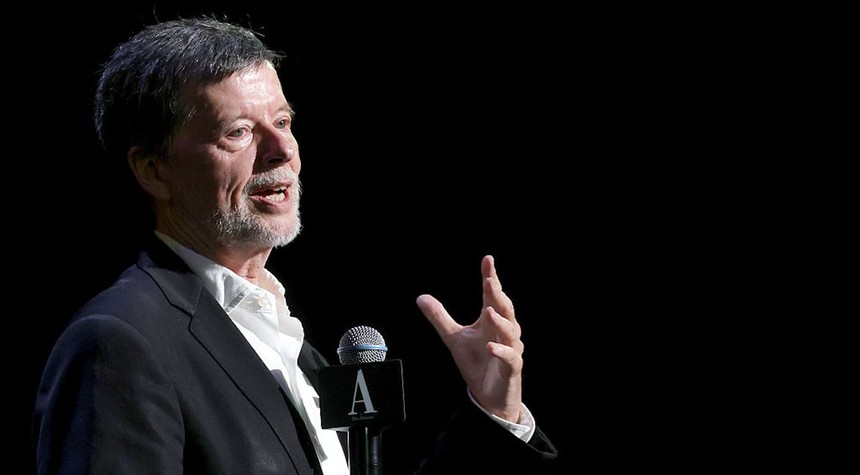
Ken Burns has built a reputation over three decades as America’s preeminent documentary filmmaker. His 1990 series on the Civil War set a standard for historical documentary work that influenced an entire generation of filmmakers. His subsequent projects on Prohibition, the Vietnam War, and Baseball have become fixtures in American cultural education, often running well beyond eleven hours and reaching millions through PBS distribution.
Burns’ latest project, a twelve-hour, six-episode series titled “The American Revolution,” has arrived with the fanfare typically accorded his work. Yet this production presents a troubling departure from the standards that built his reputation, raising serious questions about the role of publicly funded broadcasting in shaping historical understanding.
The documentary presents a unique challenge for critics and viewers alike. Unlike easily dismissed ideologically-driven productions that announce their biases through obvious casting choices or heavy-handed narratives, Burns’ Revolutionary War series maintains a veneer of scholarly credibility through much of its runtime. Approximately seventy to eighty percent of the content delivers exactly what audiences have come to expect: meticulously researched battle sequences with tactical graphics, primary source documents, and attention to lesser-known aspects of the conflict, particularly campaigns in the Southern colonies.
The production values remain exceptional. The visual presentation and audio design meet the high standards Burns has established over his career. For viewers seeking to expand their knowledge of the Revolutionary period, substantial portions of the documentary offer genuine educational value, even for those already familiar with the era’s major events and figures.
This quality makes the remaining content particularly problematic. The series represents what might be called sophisticated propaganda, weaving questionable interpretations and selective emphasis into an otherwise credible historical narrative. The technique proves far more effective than obvious ideological messaging precisely because it arrives embedded within legitimately informative content.
The distinction matters significantly given the documentary’s distribution through PBS, a publicly funded broadcaster. American taxpayers support PBS operations, lending productions an implicit endorsement as authoritative historical records. When Ken Burns releases a documentary through this platform, it carries weight in educational settings, public discourse, and popular understanding of historical events. Teachers assign these films in classrooms. Libraries stock them as reference materials. The Burns imprimatur suggests reliability.
This trust makes the documentary’s flaws more consequential than they might be in a purely commercial production. Viewers approach PBS content, particularly Burns’ work, with lowered critical defenses, expecting scholarly rigor rather than selective interpretation. The mixing of solid historical content with questionable narrative choices exploits this trust in ways that purely ideological productions cannot.
The documentary’s approach raises fundamental questions about public broadcasting’s role in historical education. Should taxpayer-funded content meet higher standards of balanced presentation than commercial productions? What responsibility do acclaimed documentarians bear when their work shapes public understanding of foundational national events? How should viewers approach historical documentaries that blend factual accuracy with interpretive frameworks that may not withstand scholarly scrutiny?
These questions extend beyond any single production. As documentary filmmaking increasingly influences how Americans understand their history, the standards applied to publicly funded content deserve rigorous examination. The trust built by decades of quality work creates responsibility that grows heavier, not lighter, with each successive project.
The American Revolution deserves documentary treatment that matches its significance in shaping the nation. Whether this latest effort meets that standard remains a question viewers must answer for themselves, approaching even trusted sources with appropriate critical awareness.
Related: Trump Seeks Direct Talks with Venezuelan Leader as Military Operations Continue