
The question of Canadian unity has taken an unexpected turn as separatist activists from Alberta have conducted meetings with officials in the Trump administration, a development that has prompted sharp condemnation from provincial leaders across Canada.
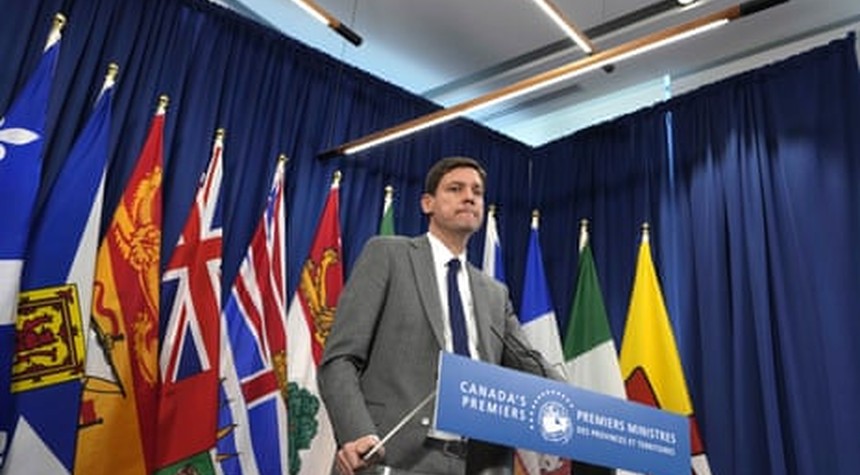
British Columbia Premier David Eby used particularly stark language in addressing these contacts, invoking a term rarely heard in modern Canadian political discourse. “To go to a foreign country and to ask for assistance in breaking up Canada, there’s an old-fashioned word for that, and that word is treason,” Eby stated during a press conference on Thursday.
The meetings between Alberta independence advocates and United States State Department officials represent a significant escalation in what has been a long-simmering regional grievance. The oil-rich province has harbored separatist sentiment among a vocal minority for years, driven by disputes over federal revenue sharing and what these activists characterize as deliberate obstruction of Alberta’s energy sector.
The independence movement remains a minority position within the province, but its organizers have adopted an increasingly aggressive strategy. They are currently conducting a signature-gathering campaign across Alberta, seeking nearly 178,000 names to trigger a referendum on separation. More provocatively, the group has publicly requested a $500 billion credit facility from the United States Treasury to finance the establishment of a new nation should their referendum succeed.
This appeal to American financial support appears to have found at least some receptive ears within the Trump administration. Treasury Secretary Scott Bessent offered what many interpreted as encouragement during an interview last week. “They have great resources. Albertans are a very independent people,” Bessent remarked. “Rumour that they may have a referendum on whether they want to stay in Canada or not. People are talking. People want sovereignty. They want what the US has got.”
Alberta Premier Danielle Smith finds herself in a difficult position. While she has publicly rejected separation and affirmed her support for “a strong and sovereign Alberta within a united Canada,” her government recently enacted changes that simplified the referendum petition process. This timing has drawn criticism from other provincial leaders, including Ontario Premier Doug Ford, who called on Smith to “stand up and say enough is enough.”
The situation carries implications beyond provincial politics. Indigenous leaders in Alberta have raised concerns about Elections Alberta’s preparedness to handle potential foreign interference in any referendum process. Their apprehensions reflect broader questions about sovereignty and external influence in Canadian internal affairs.
Premier Eby framed the issue in terms that transcend partisan divisions. “While we can respect the right of any Canadian to express themselves to vote in a referendum, I think we need to draw the line at people seeking the assistance of foreign countries to break up this beautiful land of ours,” he said.
The Alberta independence movement’s willingness to court American support represents an unprecedented development in Canadian provincial politics. Whether this strategy strengthens or undermines their cause remains to be seen, but it has certainly succeeded in forcing the issue onto the national agenda.
And that is how matters stand this evening in a nation wrestling with questions of unity, sovereignty, and the proper boundaries of political advocacy.
Related: Britain Secures Visa-Free Travel Agreement With China for Short-Term Visits