
The United States military has conducted what Central Command describes as the most extensive naval elimination operation since the Second World War, striking more than 8,000 Iranian military targets and destroying 130 vessels in a 22-day campaign aimed at neutralizing Tehran’s ability to threaten international shipping lanes.
Admiral Brad Cooper, commander of U.S. Central Command, delivered his fourth operational briefing on Operation Epic Fury Saturday, detailing the systematic dismantling of Iranian military infrastructure with a precision and scale unseen in modern warfare. The campaign’s scope extends across Iran’s naval forces, missile installations, drone facilities, and coastal defense systems.
“So far, we’ve struck over 8,000 military targets, including 130 Iranian vessels,” Cooper stated, characterizing the operation as the most rapid destruction of a naval force over a three-week period since World War II. The admiral’s assessment carries weight given the historical comparison to the Pacific theater campaigns that crippled Imperial Japan’s maritime capabilities.
The strategic objective remains clear and focused. American forces have methodically eliminated thousands of Iranian missiles, advanced attack drones, and the entirety of Iran’s operational navy, which Tehran has long employed to harass commercial vessels transiting international waters. Cooper emphasized that Iran’s tactical fighters have been grounded, its naval vessels remain in port, and its capacity to launch missiles and drones has been reduced dramatically from the conflict’s opening days.
“Their navy is not sailing, their tactical fighters are not flying, and they’ve lost the ability to launch missiles and drones at the high rates seen at the beginning of the conflict,” Cooper reported. “Our progress is obvious.”
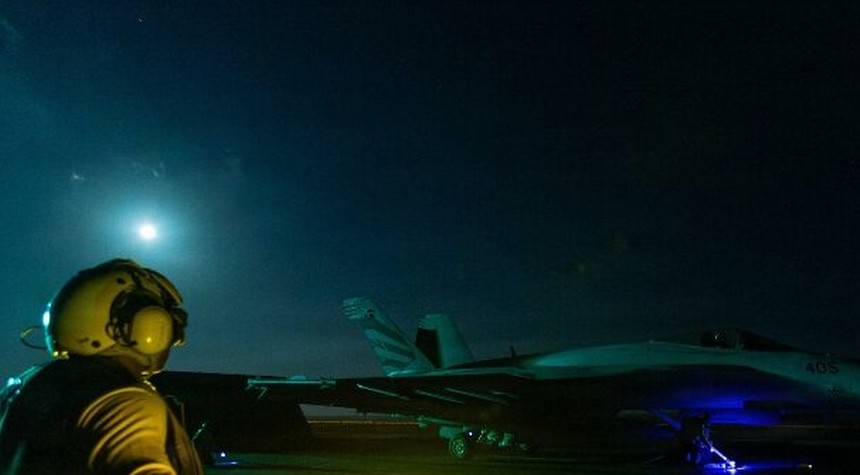
American aircrews have flown more than 8,000 combat sorties while maintaining complete air superiority over Iranian territory. These missions have included what Cooper described as dynamic threat hunting, with pilots identifying and eliminating targets in real time as opportunities present themselves.
The operation achieved a notable milestone earlier this week when U.S. Army forces conducted the longest field artillery strike in combat history, employing precision-guided missiles to destroy Iranian military infrastructure. This achievement demonstrates the technological advancement and operational reach that distinguish American military capabilities in the current era.
Central Command has now concentrated efforts on eliminating Iran’s longstanding threat to global commerce through the Strait of Hormuz, the narrow waterway through which approximately one-fifth of the world’s petroleum passes daily. Recent strikes targeted a hardened underground facility along Iran’s coastline that housed anti-ship cruise missiles, mobile launchers, and related equipment designed specifically to threaten maritime traffic.
“We not only took out the facility but also destroyed intelligence support sites and missile radar relays that were used to monitor ship movements,” Cooper explained. “Iran’s ability to threaten freedom of navigation in and around the Strait of Hormuz is degraded as a result, and we will not stop pursuing these targets.”
The operation has included extensive coordination with regional allies, who have contributed to what Cooper characterized as the most comprehensive air defense network ever established in the Middle East. Gulf partners have successfully defended against thousands of Iranian drone attacks throughout the campaign.
Cooper’s briefing came as President Trump issued a 48-hour ultimatum to Tehran, though details of that diplomatic pressure were not included in the military update.
The campaign represents a fundamental shift in the balance of power in the Persian Gulf region, where Iran has for decades employed asymmetric naval tactics and missile threats to project influence beyond its borders. Whether this military degradation will produce lasting strategic effects remains to be seen.
Related: Trump Delivers 48-Hour Ultimatum to Iran Over Strait of Hormuz Blockade