
The United States military conducted precision strikes against Iranian radar installations and drone facilities over the weekend in direct response to Tehran’s downing of an American reconnaissance aircraft over international waters.
U.S. Central Command confirmed the operations took place Saturday and Sunday near the city of Geruk and on Qeshm Island. The strikes targeted Iranian air defense systems, a ground control station, and two offensive drones that military officials identified as imminent threats to commercial and military vessels navigating regional waterways.
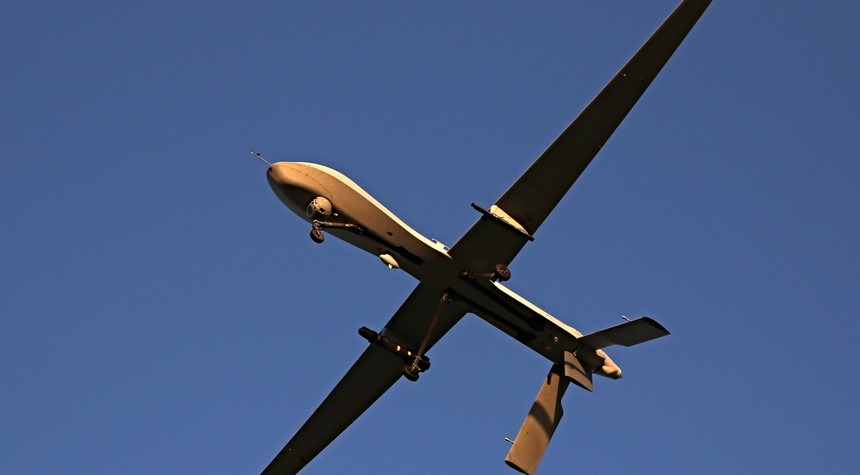
The American response came after Iranian forces destroyed an MQ-1 drone conducting surveillance operations in international airspace. Central Command characterized the U.S. military action as “measured and deliberate,” emphasizing the strikes answered what officials termed aggressive Iranian behavior that violated established norms of international conduct.
The situation grew more complex early Monday morning when Kuwait reported activating its air defense systems to intercept incoming drone and missile attacks. Iran’s Revolutionary Guard simultaneously claimed responsibility for what it described as a retaliatory strike against American forces, though the Guard’s statement provided no specific location. Iranian officials alleged U.S. forces had targeted a telecommunications tower, prompting their response.
Kuwait’s strategic importance to American military operations in the Middle East cannot be understated. The nation hosts U.S. Army Central, which serves as the forward command for Army operations throughout the region. While the Air Force retired the MQ-1 Predator from its inventory, the Army continues operating these unmanned aircraft for reconnaissance and surveillance missions.
Iranian state television broadcast footage of a ballistic missile launch that included provocative imagery. The missile bore a sticker depicting President Donald Trump with the Strait of Hormuz marked as closed, accompanied by text reading: “Until the last American soldier leaves the region.” This propaganda effort underscores Tehran’s determination to pressure American forces from the Middle East.
These military exchanges represent the latest escalation in a conflict that has persisted for months without diplomatic resolution. Peace negotiations stalled over the weekend when President Trump returned an amended proposal to Tehran. The revised framework seeks more explicit Iranian commitments regarding its enriched uranium stockpile, its broader nuclear program, and guarantees for keeping the Strait of Hormuz open to international shipping.
According to multiple reports, the President declined to approve a proposed framework agreement during deliberations with senior advisers in the Situation Room on Sunday. The decision reflects administration concerns that any agreement must include verifiable measures preventing Iranian nuclear weapons development and ensuring freedom of navigation through one of the world’s most critical maritime chokepoints.
The Strait of Hormuz remains central to global energy markets, with approximately one-fifth of the world’s petroleum passing through its narrow waters. Any sustained closure or significant disruption would have immediate and severe consequences for international commerce and energy prices worldwide.
As both nations maintain their military postures, the international community watches carefully for signs of either escalation or renewed diplomatic engagement. The coming days will prove critical in determining whether military action yields diplomatic progress or further entrenches both sides in an increasingly dangerous confrontation.
Related: Australia Extends Quarantine for Cruise Ship Passengers After New Hantavirus Cases Emerge