
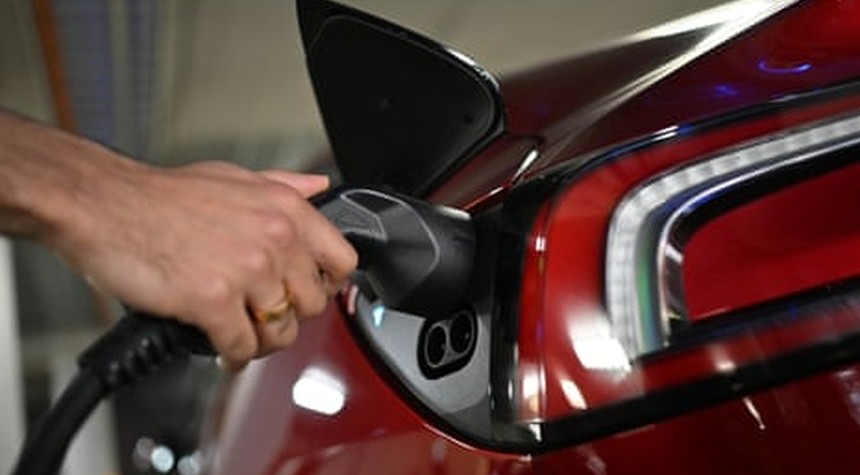
Australia stands at a crossroads in its energy security policy, and the path forward may well be paved with electric vehicles rather than petroleum-fueled automobiles.
According to research from Swinburne University of Technology, replacing one million conventional automobiles with electric vehicles would reduce Australia’s reliance on foreign fuel by more than one billion liters annually. This represents more than a marginal improvement in the nation’s energy independence. It represents a strategic shift in how Australia powers its transportation infrastructure.
Professor Hussein Dia, who specializes in transport technology and sustainability, has outlined the fundamental economic logic behind this transition. Each electric vehicle eliminates fuel demand entirely and redirects energy consumption to domestically produced electricity. This insulates the nation from the volatile swings of global oil markets and strengthens the resilience of the transportation system against external shocks.
The mathematics are straightforward. A typical petrol-powered automobile traveling 15,000 kilometers annually consumes approximately 1,150 liters of fuel. Even modest penetration of electric vehicles into the market produces measurable results in reducing foreign fuel dependency.
The current reality, however, reveals the magnitude of the challenge ahead. Australia’s national fleet contains roughly 20 million vehicles, yet only 420,000 are electric. That represents a mere two percent market penetration. The nation’s diesel and petrol vehicles consume approximately 25 billion liters of fuel each year.
If Australia were to replace half its conventional fleet with electric alternatives, annual fuel consumption would decline by 12 billion liters. These projections are not fantasies. They are achievable goals if the political will exists to pursue them.
Recent global events have provided stark illustration of why energy independence matters. The ongoing conflict involving the United States, Israel, and Iran has triggered a global energy shock. Unleaded petrol prices in Australia’s major east coast cities have surged to $2.30 per liter, an increase of 30 to 40 cents in merely two weeks. Diesel prices approach $2.65 per liter, with regional areas experiencing even higher costs.
Alison Reeve, director of the Grattan Institute’s energy and climate change program, suggests this crisis may catalyze a fundamental shift in how Australians and their policymakers view electric vehicles. When fuel prices spike dramatically, the economic case for alternatives becomes impossible to ignore.
Market trends support this assessment. The Australian Automobile Association reports that petrol and diesel vehicles accounted for a record low two-thirds of vehicle sales during the final quarter of last year, down from 70 percent in the September quarter. Petrol prices in major east coast cities have risen 15 to 20 percent since the beginning of the month alone.
Research from Scandinavian nations demonstrates the direct correlation between fuel prices and electric vehicle adoption. A one percent increase in petrol prices corresponds with an average 0.85 percent increase in electric vehicle sales. The pace of adoption proves far more sensitive to petrol prices than to electricity costs.
The strategic implications extend beyond immediate economic concerns. Electric vehicles contribute to Australia’s net zero emissions objectives while simultaneously enhancing energy sovereignty. This dual benefit positions the technology as both environmentally responsible and economically prudent.
The transition will not occur overnight. Replacing one million vehicles represents a substantial undertaking given current adoption rates. Yet the combination of rising fuel costs, improving electric vehicle technology, and growing awareness of energy security vulnerabilities may accelerate the timeline considerably.
Australia faces a choice between continued dependence on volatile global oil markets or investment in domestically powered transportation infrastructure. The evidence suggests which path serves the national interest.
Related: Cuba Opens Dialogue with Trump Administration While Ruling Out Political Reform