
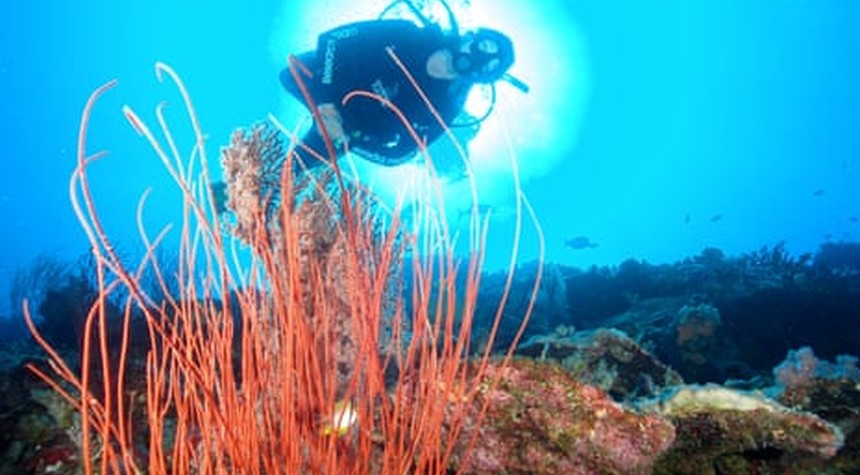
Australia’s federal environment minister has announced plans to expand protected ocean areas by half a million square kilometers, marking what conservationists view as a significant reversal of policies implemented nearly a decade ago.
Murray Watt confirmed the government’s commitment to place 30 percent of Australia’s territorial waters under high-level protection that would prohibit fishing and resource extraction. The initiative aligns with international agreements aimed at protecting 30 percent of the world’s oceans, a target embraced by numerous nations concerned about marine ecosystem degradation.
On Tuesday, Minister Watt convened stakeholders from multiple sectors, including conservation groups, commercial fisheries, tourism operators, and energy industry representatives, to begin a comprehensive review of management plans governing 44 national marine parks. The minister characterized the undertaking as a major priority for the current government term.
The proposed expansion represents an attempt to address what environmental advocates describe as inadequate protections established during the Abbott government’s tenure. That administration had redrawn marine park boundaries in ways that conservationists argue weakened safeguards for critical ocean habitats.
The current review process brings together parties with fundamentally different interests in Australia’s marine resources. Commercial fishing operations have historically opposed broad exclusion zones, arguing they unnecessarily restrict access to productive waters. The petroleum and natural gas industries likewise seek to maintain exploration and extraction rights in offshore areas. Meanwhile, conservation organizations contend that comprehensive protection measures are essential for preserving biodiversity and allowing depleted fish stocks to recover.
The offshore wind energy sector adds another dimension to these discussions, as Australia seeks to develop renewable energy infrastructure in coastal waters while simultaneously expanding environmental protections.
Minister Watt indicated his intention to avoid the contentious political battles that characterized previous marine protection debates. The Abbott-era revisions to marine park zones sparked considerable controversy, with environmental groups claiming the changes prioritized commercial interests over ecological preservation.
The international commitment to protect 30 percent of ocean areas reflects growing scientific consensus about the importance of marine reserves in maintaining healthy ocean ecosystems. Research has demonstrated that well-enforced marine protected areas can serve as refuges for threatened species, preserve genetic diversity, and support fisheries by allowing populations to rebuild in protected zones before dispersing to adjacent waters.
Australia possesses one of the world’s largest marine estates, encompassing diverse ecosystems from tropical coral reefs to temperate kelp forests and deep ocean trenches. The nation’s waters support commercially valuable fisheries, significant petroleum reserves, and ecosystems of global importance, including the Great Barrier Reef.
The review process will require balancing these competing interests while meeting international conservation commitments. The outcome will likely influence marine management policies for years to come and may set precedents for how democratic nations reconcile economic development with environmental stewardship in their territorial waters.
The government has not specified a timeline for completing the review or implementing new protection measures.
Related: National Counterterrorism Director Resigns Over Iran War Policy