
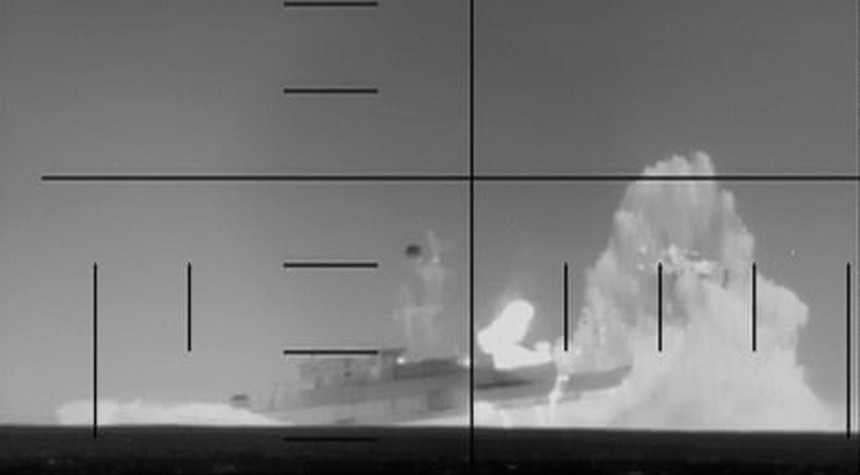
The Australian government has declined to confirm whether Australian naval personnel were aboard the United States attack submarine that torpedoed and sank an Iranian warship in the Indian Ocean, an attack that claimed at least 87 lives and marked the first such American submarine action since World War II.
This is Walter Cronkite, and that is the way it is this evening as we examine a development that raises profound questions about allied military cooperation in an escalating conflict.
More than fifty Australian sailors and officers currently serve throughout the US attack submarine fleet, representing one in ten crew members aboard American Navy attack submarines. This extensive integration stems from the Aukus agreement, under which Australia is preparing to command its own nuclear-powered submarines in partnership with the United States and the United Kingdom.
Defence sources have indicated that two Australians were likely aboard the submarine during Wednesday’s attack. If confirmed, this would represent the first direct involvement of Australian defence personnel in the current conflict with Iran.
Australian Foreign Minister Penny Wong addressed the matter in Senate proceedings, stating that US submarine operations remain the purview of the US Navy. “For operational and security reasons, we do not disclose specific information regarding Australian personnel,” Wong told lawmakers.
The attack targeted the Islamic Republic of Iran Ship Dena, a frigate carrying up to 180 personnel as it sailed through international waters following a naval exercise organized by India in the Bay of Bengal. US Secretary of Defense Pete Hegseth described the strike as “a quiet death” delivered by torpedo, emphasizing that the Iranian vessel believed itself safe in international waters.
Hegseth’s remarks at a Pentagon briefing carried an unmistakably aggressive tone, promising “sheer destruction” for the Iranian regime following the weekend assassination of Supreme Leader Ayatollah Ali Khamenei. “America is winning decisively, devastatingly and without mercy,” Hegseth declared. “They are toast and they know it.”
While the Pentagon has not officially identified the submarine involved, defense industry publications have reported that the USS Minnesota, a Virginia-class submarine, launched the torpedo. Significantly, the Minnesota rotated through HMAS Stirling base in Western Australia last year.
The attack occurred near the southern Sri Lankan city of Galle, well within the Indo-Pacific Command area of responsibility. Australian personnel training on US attack submarines are based primarily at Pearl Harbor, Hawaii, which serves as headquarters for Indo-Pacific Command and represents the likely port of origin for any submarine operating in the Indian Ocean.
In October testimony before Senate estimates, Royal Australian Navy Vice Admiral Mark Hammond confirmed that more than fifty Australians were serving on US fast-attack submarines based at Pearl Harbor, with over one hundred more training throughout the United States.
The Australian government’s refusal to clarify its personnel’s involvement raises important questions about transparency and the extent of allied military integration. For a nation that has not formally declared war against Iran, the potential presence of Australian sailors aboard a submarine conducting lethal operations in international waters represents uncharted territory in modern allied cooperation.
And that is part of our world tonight.
Related: Israel Strikes Iranian Command Centers Used to Suppress Domestic Dissent