
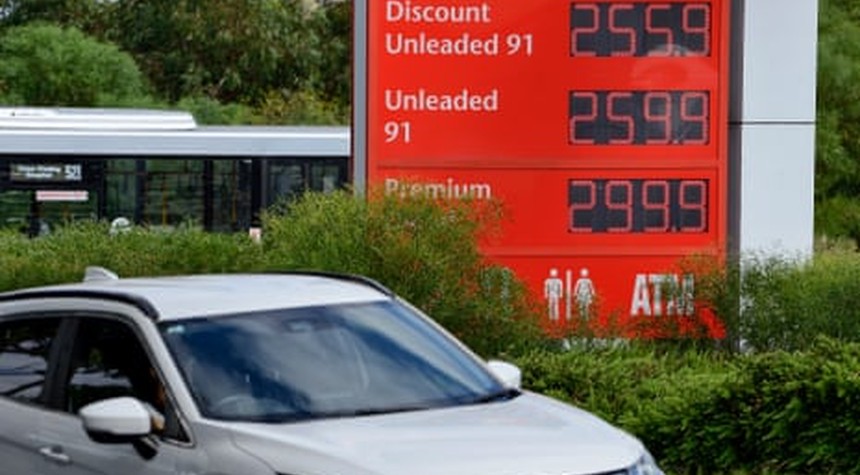
The Australian government finds itself under mounting pressure to address spiraling fuel costs affecting households nationwide, as neighboring New Zealand moves forward with what may be the world’s first direct cash payment program for fuel relief since the escalation of Middle Eastern conflicts.
Nearly 150,000 New Zealand families will soon receive weekly cash payments specifically designated to offset petrol costs, a decisive move that has intensified scrutiny on Canberra’s response to the cost-of-living crisis ahead of the May budget deliberations.
On Tuesday, Treasurer Jim Chalmers firmly dismissed any possibility of reducing the fuel excise, which currently adds more than 52 cents per liter to petrol prices. The excise remains fixed regardless of fluctuations in fuel costs. Chalmers indicated that tax rate reductions scheduled for the next financial year remain the government’s primary focus for economic relief.
The debate has produced a range of proposals, some more practical than others. Social Services Minister Tanya Plibersek suggested working from home as a helpful measure for those struggling with fuel costs, though she stopped short of issuing any formal directive. Her recommendation that Australians “just buy the fuel they need and no more” struck some observers as insufficient given the severity of the crisis.
Shadow Employment Minister Jane Hume, who previously championed unsuccessful efforts to end work-from-home arrangements for public servants, acknowledged the benefits of remote work but characterized it as inadequate to address fundamental fuel supply issues.
In an unusual political alignment, the Nationals, Greens, and crossbench members united on Tuesday to pass a motion urging the Labor government to provide accessible, free, or affordable nationwide public transport during the fuel crisis. The Liberals abstained from the vote, a notable absence that may reflect internal divisions on the appropriate government response.
The most substantive proposal has emerged from independent ACT Senator David Pocock, who advocates for a flat 25 percent export levy on gas producers. Pocock characterizes current industry profits as “wartime profits” that should be redirected to support struggling Australians through increased welfare payments, free public transport, and food assistance programs.
“People on fixed incomes, like pensioners or those reliant on safety net payments, are hurting the most from increased petrol, groceries and other essentials,” Pocock stated Tuesday. He criticized the Albanese government for lacking the resolve to ensure gas companies pay what he terms a fair share of tax on resources that belong to all Australians.
The senator’s proposal raises fundamental questions about resource sovereignty and corporate taxation that extend beyond immediate fuel price concerns. His argument that revenues from Australian gas exports should directly benefit Australian citizens during times of crisis reflects a broader debate about the relationship between natural resource wealth and public welfare.
At the state level, New South Wales opposition figures have called for daily upper limits on fuel prices and free public transport over the Easter period. Premier Chris Minns responded that transport services already receive substantial subsidies, suggesting limited appetite for additional measures.
As the May budget approaches, the Albanese government faces a critical decision. The question is not merely about fuel prices, but about the government’s willingness to intervene decisively in markets during times of international crisis and domestic hardship. New Zealand’s direct approach has established a benchmark that will make any lesser response from Canberra appear inadequate to many Australians watching their household budgets deteriorate.
Related: Investigation Confirms American Guided Weapon Hit School Building in Southern Iran