
Bolivia’s newly installed conservative government is actively pursuing closer ties with the United States after decades of strained relations, marking a significant geopolitical shift in South America as the Andean nation works to reduce its dependence on China.
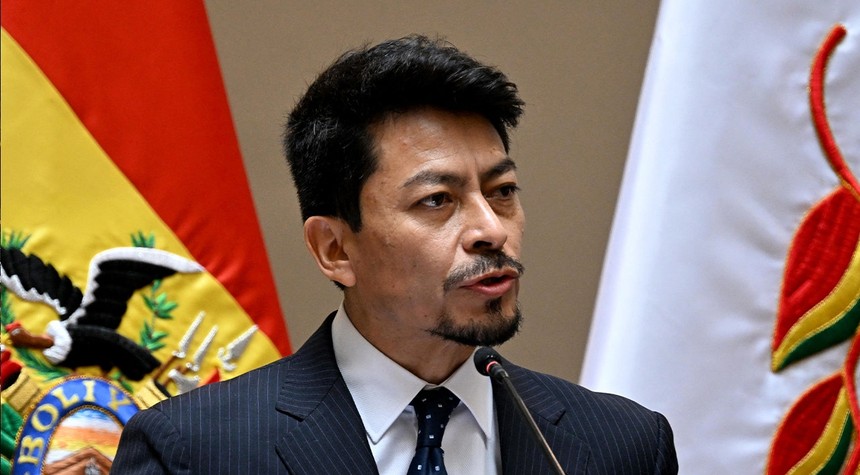
Foreign Minister Fernando Aramayo, speaking this week during a visit to Washington, outlined his country’s intentions to forge what he described as a long-term partnership with the United States based on shared democratic values and mutual interests.
“We are looking for a long-term relationship with the United States, relations based on the same values and interests that we share, for democracy and to create a new alliance in South America,” Aramayo stated.
The foreign minister’s visit to the American capital coincided with the signing of an agreement reestablishing diplomatic ties with Israel, which the previous Bolivian government had severed during the war in Gaza. This diplomatic restoration represents one of several swift policy reversals undertaken by the new administration.
President Rodrigo Paz, a pro-business conservative who was sworn into office last month, has moved quickly to reorient his country’s foreign policy away from alliances with China and Venezuela and toward Western nations. The pivot represents a dramatic departure from Bolivia’s previous government, which had cultivated close relationships with Beijing and Caracas.
Aramayo indicated that Bolivia is particularly interested in American investment and technology transfers as it works to diversify its economic partnerships away from Beijing. The Chinese government has invested heavily in South American infrastructure and resource extraction projects over the past two decades, creating economic dependencies that some nations now view as problematic.
The timing of Bolivia’s diplomatic repositioning comes as the United States seeks to reassert its influence in Latin America, a region where Chinese economic power has grown substantially. Bolivia’s shift could provide Washington with a strategic foothold in a country that had previously aligned itself with governments hostile to American interests in the hemisphere.
The implications of this diplomatic realignment extend beyond bilateral relations. Bolivia’s willingness to distance itself from Venezuela, which has long sought to build an anti-American coalition in South America, could weaken regional resistance to United States engagement. The Paz administration’s embrace of pro-business policies and democratic values also stands in sharp contrast to the socialist orientation of Bolivia’s previous leadership.
Whether this diplomatic opening will translate into substantive economic and political cooperation remains to be seen. Bolivia faces significant economic challenges, and the success of the Paz government’s pivot will likely depend on whether American investment and technology can deliver tangible improvements for ordinary Bolivians.
For now, the Aramayo visit to Washington represents a clear signal that Bolivia intends to chart a new course in its international relations, one that brings it closer to the United States and further from the authoritarian governments that previously counted La Paz among their allies.
The developments in Bolivia bear watching as indicators of broader trends in South American politics and the ongoing competition for influence between the United States and China in the Western Hemisphere.
Related: Thailand and Cambodia Exchange Fire Hours After President Announces Ceasefire Deal