

U.S. tariffs on Brazilian goods surged to 50% on Wednesday. In response, Brazil’s President Luiz Inacio Lula da Silva has expressed his reluctance for direct talks with U.S. President Donald Trump, deeming them potentially humiliating.
Reports from Brasilia, the presidential residence, indicate that President Lula is not planning reciprocal tariffs. Despite the high tariffs on Brazil’s exports, its government also seems unwilling to abandon cabinet-level talks. “The day my intuition says Trump is ready to talk, I won’t hesitate to call him,” Lula stated. “But today my intuition says he doesn’t want to talk. And I won’t humiliate myself.”
This development follows earlier reports that U.S.-Brazil relations have hit a bumpy path. President Lula expressed that they are at a 200-year low. Trump’s demand for an end to the prosecution of right-wing former President Jair Bolsonaro, who is currently standing trial for plotting to overturn the 2022 election, has been tied to the new tariff.
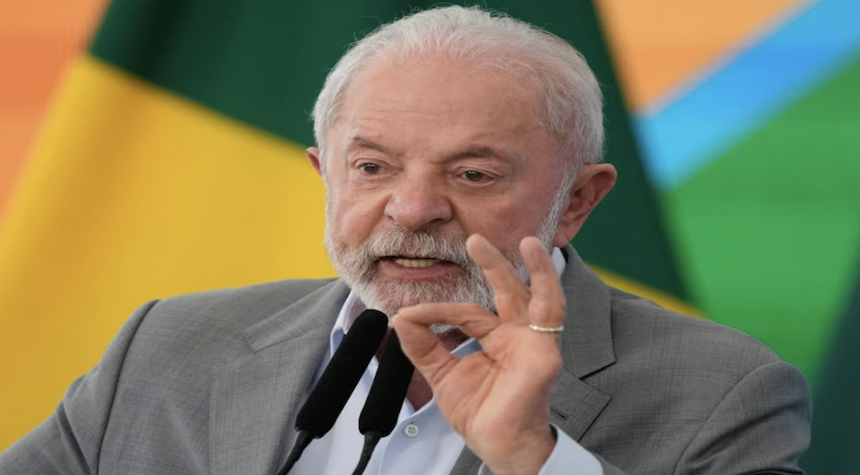
The Brazilian president dismissed any personal issues with Trump, stating that they could meet at the United Nations or the U.N. climate talks. However, he noted Trump’s track record of treating White House guests, including South African President Cyril Ramaphosa and Ukrainian President Volodymyr Zelensky, with what he termed humiliation. “One president can’t be humiliating another. I respect everyone and I demand respect,” Lula declared.
The Brazilian government is focused on domestic measures to cushion the economic blow of U.S. tariffs, maintaining “fiscal responsibility.” President Lula also revealed his intent to call leaders from the BRICS group of developing nations, such as India and China, to discuss a possible joint response to U.S. tariffs.
Additionally, Lula intends to establish a new national policy for Brazil’s strategic mineral resources, treating them as a matter of “national sovereignty.” This plan aims to break away from a history of mining exports that added little value in Brazil.
As the tariffs stand at 50%, the Brazilian president asserts his refusal to be rushed into direct talks, and plans are underway to mitigate the economic impact domestically and potentially through joint responses with other developing nations.