
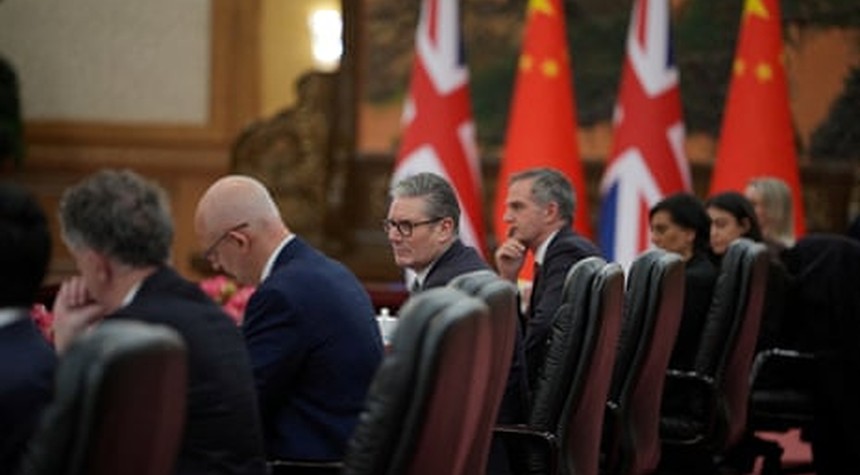
British Prime Minister Keir Starmer has secured an agreement with Chinese authorities that will allow United Kingdom citizens to enter China without visas for stays of up to thirty days, marking a significant shift in travel policy between the two nations.
The arrangement, announced by Downing Street during Starmer’s official visit to Beijing, will apply to both business travelers and tourists. This places British passport holders on equal footing with citizens from fifty other nations, including France and Germany, who already enjoy similar privileges when visiting the People’s Republic.
While the agreement has been reached in principle, implementation will not be immediate. Chinese officials have committed to establishing the visa-free entry program unilaterally, though they have not yet specified when the new rules will take effect. Currently, British citizens must obtain visas before entering mainland China, a requirement that has long been viewed as an impediment to commerce and cultural exchange.
The Prime Minister framed the development primarily in economic terms, emphasizing the potential benefits for British businesses seeking to expand their operations in the world’s second-largest economy. “As one of the world’s economic powerhouses, businesses have been crying out for ways to grow their footprints in China,” Starmer stated. “We’ll make it easier for them to do so, including via relaxed visa rules for short-term travel, supporting them to expand abroad, all while boosting growth and jobs at home.”
This diplomatic achievement comes at a time when Western nations continue to navigate complex relationships with Beijing. The United Kingdom has faced the delicate challenge of maintaining economic ties with China while addressing security concerns and human rights considerations that have strained relations in recent years.
The visa waiver represents a practical step toward normalizing travel between the two countries, potentially facilitating increased trade, investment, and cultural exchange. For British firms operating in competitive global markets, the ability to send representatives to China without the delays and expenses associated with visa applications could provide meaningful advantages.
However, the agreement also raises questions about reciprocity and broader diplomatic implications. It remains unclear whether China will seek similar concessions for its citizens traveling to Britain, or whether this represents a unilateral gesture aimed at encouraging British investment and tourism.
The timing of this announcement during Starmer’s visit to Beijing suggests it may be part of a larger effort to recalibrate Anglo-Chinese relations following years of tension under previous administrations. Whether this signals a broader warming of ties or remains an isolated economic accommodation will become clearer in the months ahead.
For now, British travelers and business leaders will await confirmation of the implementation date, which will determine when they can begin taking advantage of this new arrangement with one of the world’s most significant economic and political powers.
Related: Iranian Dissident to Face Hired Assassin at Manhattan Sentencing