
The Chinese government announced sweeping sanctions against American defense contractors on Friday, marking Beijing’s sharpest response yet to the Trump administration’s approval of military sales to Taiwan valued at more than $10 billion.
The sanctions target twenty American firms and ten individuals, including Boeing’s fighter jet production facility in St. Louis, Missouri, along with Northrop Grumman Systems Corporation and L3Harris Maritime Services. The measures will freeze any assets these companies and individuals maintain in China and prohibit Chinese organizations and citizens from conducting business with them.
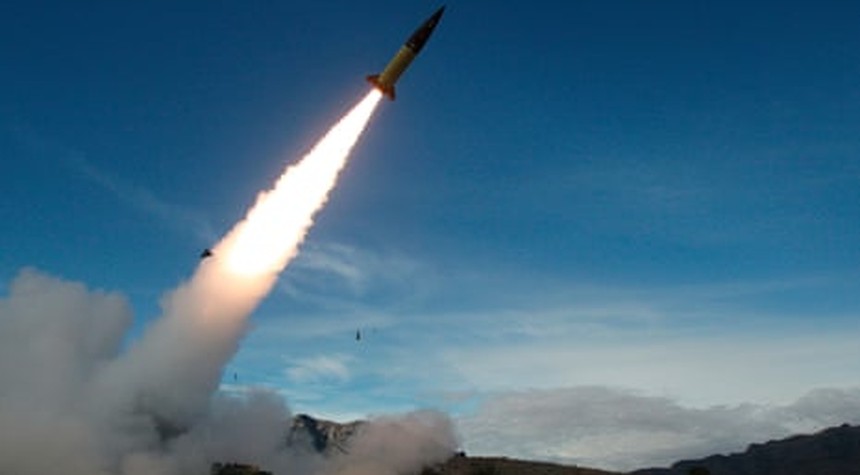
This represents the largest weapons sale in the history of American-Taiwanese relations. The package includes medium-range missiles and drones, with 420 Army Tactical Missile Systems among the agreements. These Atacms systems bear similarity to those provided to Ukraine during the Biden administration’s support of that nation’s defense against Russian aggression.
The Chinese Foreign Ministry characterized the Taiwan question as “the core of China’s core interests and the first red line that cannot be crossed in China-US relations.” A ministry spokesperson warned that any provocative actions crossing this line would receive a strong response from Beijing, urging Washington to cease what it termed “dangerous” efforts to arm the island.
The sanctions extend to individuals as well, including the founder of defense firm Anduril Industries and nine senior executives from the targeted companies. These individuals now face entry bans into China, further escalating tensions between the world’s two largest economies.
Taiwan remains a persistent source of friction in American-Chinese relations, which have already deteriorated significantly over trade disputes and tariff disagreements. Beijing maintains that Taiwan must merge with the People’s Republic of China, a position the democratically governed island categorically rejects.
The United States, however, operates under legal obligations to provide Taiwan with defensive capabilities. The State Department justified the arms sales by stating they serve American national, economic, and security interests while supporting Taiwan’s efforts to modernize its armed forces and maintain credible defensive capabilities.
“The proposed sales will help improve the security of the recipient and assist in maintaining political stability, military balance and economic progress in the region,” the State Department declared in statements accompanying each of the eight separate arms agreements.
Boeing’s St. Louis facility, now caught in this geopolitical crossfire, employs thousands of workers who produce fighter jets for the American military. More than three thousand union workers at this facility conducted a strike over wages earlier this year, highlighting the domestic economic implications of these international tensions.
The sanctions arrive at a particularly sensitive moment in American-Chinese relations. The Trump administration has pursued an assertive stance toward Beijing on multiple fronts, from trade policy to military positioning in the Pacific. This latest development suggests China intends to impose tangible costs on American companies involved in arming Taiwan, even as those companies fulfill obligations mandated by American law.
Whether these sanctions will alter the trajectory of American defense policy toward Taiwan remains uncertain. What stands clear is that Beijing has drawn a firm line regarding what it considers unacceptable interference in its territorial ambitions, and American defense contractors now find themselves on the front lines of this escalating confrontation.
Related: Russia Exploits BRICS Framework to Recruit Workers for Drone Production Facilities