
Costa Ricans will cast their ballots Sunday in a presidential election that has crystallized around two defining concerns: an unprecedented surge in violent crime and warnings that the nation’s long-standing democratic traditions face an authoritarian challenge.
The Central American nation, historically regarded as a beacon of stable democracy in a region often plagued by political upheaval, now finds itself grappling with the consequences of its strategic position along cocaine trafficking routes to the United States and Europe. Criminal organizations have engaged in increasingly violent territorial disputes, fundamentally altering the security landscape of a country better known internationally for its environmental conservation and wildlife tourism.
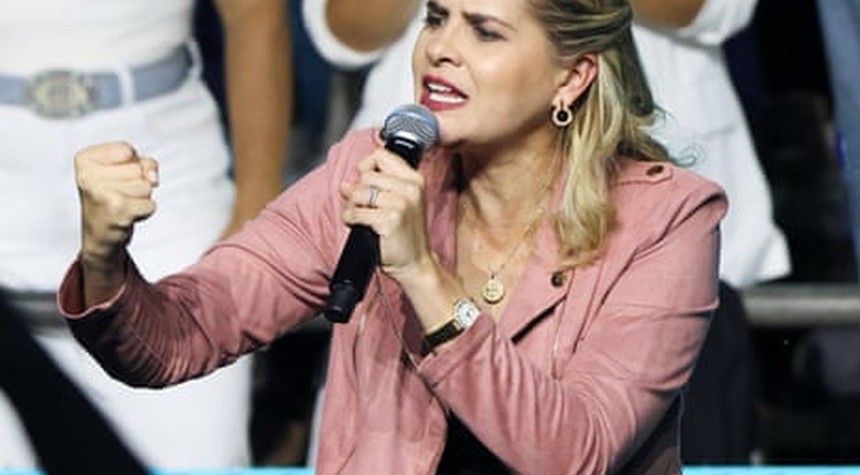
The electoral contest centers on Laura Fernández, a 37-year-old former minister who has secured the endorsement of current President Rodrigo Chaves. Constitutional provisions barring consecutive presidential terms have prevented Chaves from seeking reelection, but his influence looms large over this campaign. Fernández has built her candidacy on promises of hardline security measures, positioning herself as the natural successor to Chaves’s disruptive political approach.
Recent polling data places Fernández at approximately 40 percent support, a figure that would secure victory in the first round and eliminate the need for a runoff election. The opposition landscape presents a stark contrast: fragmented and struggling for traction, no alternative candidate has managed to capture more than 10 percent of voter intention.
Yet the election’s outcome remains far from certain. Approximately one-third of the electorate has not committed to a candidate, creating substantial volatility in what might otherwise appear a predetermined result. Political analysts suggest these undecided voters will ultimately determine whether Fernández achieves a commanding mandate or faces a competitive second round.
James Bosworth, founder of the political consultancy Hxagon, emphasized the stakes involved in this substantial bloc of uncommitted voters. The distribution of their support could produce dramatically different scenarios: a supermajority in the 57-seat congress that would grant Fernández sweeping legislative authority, or a fragmented result that forces coalition-building and potentially energizes opposition forces in a runoff contest.
President Chaves has proven a polarizing figure during his tenure, fundamentally reshaping Costa Rican political dynamics through confrontational governance that has alarmed traditional democratic observers. His selection of Fernández as his preferred successor has effectively made this election a referendum on his transformative, and to critics, troubling approach to executive power.
The security crisis that dominates voter concerns represents a departure from Costa Rica’s historical identity. The nation abolished its military in 1948 and cultivated an international reputation for peaceful stability. The current wave of drug-related violence has challenged that self-conception and created political space for candidates promising aggressive law enforcement responses.
As polling stations prepare to open, Costa Rica stands at a crossroads. The election will determine not merely who occupies the presidential palace, but whether the nation’s democratic institutions can withstand the combined pressures of organized crime and populist governance. For a country that has long served as Central America’s democratic exemplar, the stakes could hardly be higher.
Related: Trump Warns Britain Against China Trade Ties as Starmer Pursues Economic Reset in Beijing