
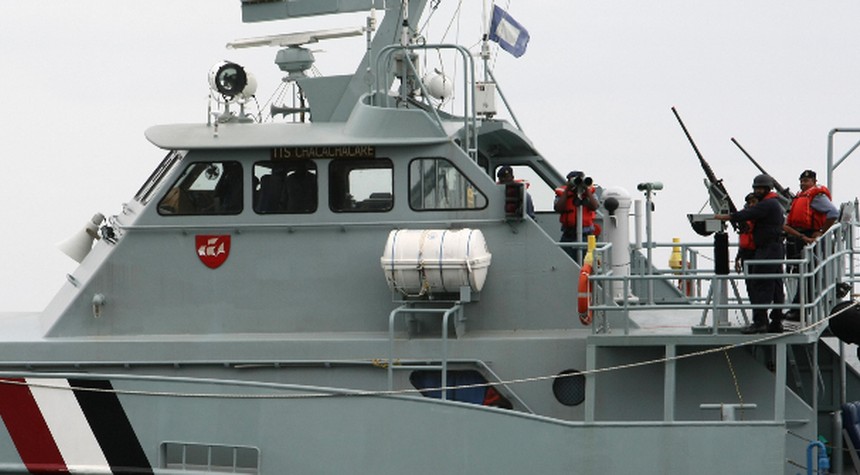
The Cuban government has confirmed that its Coast Guard forces opened fire on a United States-registered speedboat in waters near the island nation, resulting in four fatalities and six wounded passengers. The incident marks a dangerous escalation in maritime tensions between Washington and Havana at a time when bilateral relations remain strained.
Cuba’s Interior Ministry released a statement Wednesday detailing the confrontation, which occurred approximately one nautical mile northeast of the El Pino channel, adjacent to Cayo Falcones. According to Cuban authorities, the speedboat bore a Florida registration number, though the ministry has not disclosed the identities or nationalities of those aboard.
The Cuban account of events claims that passengers on the speedboat initiated hostile action, opening fire on the approaching Coast Guard vessel and wounding its commander. Cuban forces then returned fire, resulting in the reported casualties. The ministry stated that wounded survivors received medical evacuation and treatment, though details regarding their current condition remain unavailable.
This incident raises significant questions about the circumstances that led to such a deadly encounter. The presence of a Florida-registered vessel in Cuban territorial waters, the reported exchange of gunfire, and the subsequent loss of life all demand thorough investigation and diplomatic attention.
The Cuban Interior Ministry’s statement carried a notably assertive tone regarding the nation’s territorial sovereignty. “Cuba reaffirms its determination to protect its territorial waters, based on the principle that national defense is a fundamental pillar of the Cuban State in safeguarding its sovereignty and ensuring stability in the region,” the ministry declared. This language suggests Havana views the incident within a broader context of what it perceives as threats to its territorial integrity.
The reference to “current challenges” and regional stability appears to acknowledge the ongoing tensions between the United States and Cuba. Relations between the two nations have remained complicated for decades, with periodic thaws followed by renewed friction. The current political climate has seen increased pressure on the Cuban regime, making incidents such as this particularly sensitive.
Cuban authorities indicated that investigations continue, stating that competent authorities are working to “fully clarify the events.” However, given the historical difficulty in obtaining transparent information from Cuban government sources, independent verification of the incident’s details may prove challenging.
The American government has not yet issued a formal response to the Cuban ministry’s announcement. Questions remain about whether the vessel was engaged in smuggling operations, human trafficking, or other illicit activity that might explain its presence in Cuban waters. Alternatively, the speedboat may have inadvertently entered restricted areas, though this seems less likely given the reported armed confrontation.
This deadly encounter serves as a reminder that maritime boundaries in the Caribbean remain contested spaces where miscalculation or hostile intent can quickly turn fatal. As investigations proceed, both governments face pressure to provide accurate accounts of what transpired and to prevent similar incidents from occurring in waters where American and Cuban interests intersect.
The international community will be watching closely to see how Washington responds to this loss of life involving what appears to be American citizens or residents operating from Florida.
Related: Gaza Tunnel System Reveals Hamas Infrastructure as Israeli Forces Continue Operations