
The United Kingdom has informed the Trump administration it will not permit American military forces to use British air bases for potential strikes against Iran, citing concerns that such operations could violate international law.
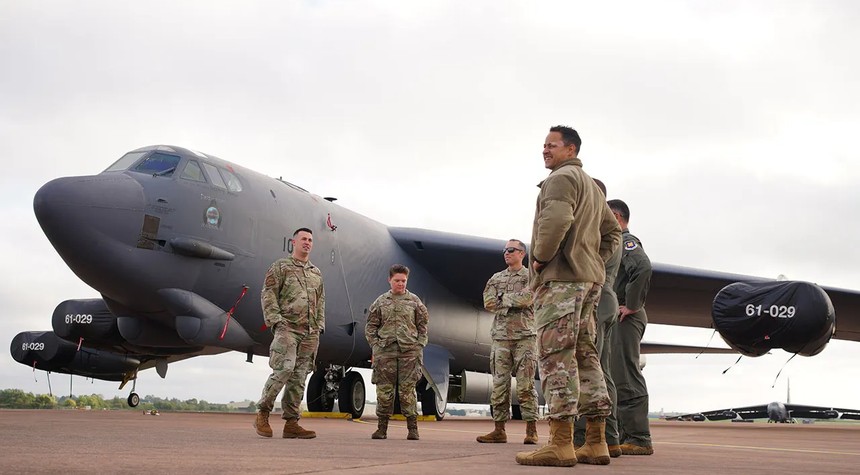
According to reports from London, American military planners had been developing contingency plans to utilize Royal Air Force base Fairford in England, which currently hosts the United States Air Force’s fleet of B-52 heavy bombers stationed in Europe. President Donald Trump and British Prime Minister Keir Starmer discussed these plans during a telephone conversation this week.
British officials have expressed reservations that granting permission for such operations would place the United Kingdom in breach of international legal standards governing military action. This position represents a significant point of friction in the longstanding military alliance between Washington and London.
President Trump addressed the matter directly on Wednesday, stating that should diplomatic efforts with Tehran fail, American forces may need to utilize both Diego Garcia and the airfield at Fairford to counter what he described as threats from an unstable Iranian regime. The President emphasized that such action would serve to protect not only American interests but also the United Kingdom and other allied nations.
The administration continues to prioritize diplomatic solutions regarding Iran’s nuclear program. A White House official confirmed that President Trump remains committed to negotiations, though military options remain available should diplomacy fail. The official referenced previous military operations as evidence of the administration’s willingness to act when necessary.
The situation has drawn sharp criticism from members of Congress. Senator Lindsey Graham of South Carolina characterized British cooperation as essential for any potential military operation and expressed disappointment with London’s position. Graham argued that Iran’s influence has been significantly weakened through recent events, including internal unrest and military setbacks delivered by American and Israeli forces.
The Senator suggested that Britain’s reluctance to participate represents a troubling deterioration in transatlantic military cooperation and could place the United Kingdom on what he termed the wrong side of history.
The diplomatic impasse comes at a critical juncture in relations between Washington and Tehran. The Trump administration has maintained consistent pressure on Iran to negotiate limitations on its nuclear program, while keeping military options available as leverage in those discussions.
The disagreement over base access highlights broader questions about the future of NATO cooperation and the willingness of European allies to support American military initiatives in the Middle East. It also underscores the complex legal and political considerations that European governments must weigh when contemplating participation in military operations outside established international frameworks.
As diplomatic efforts continue, the situation remains fluid. The administration has made clear its preference for a negotiated settlement while maintaining readiness for military action should Iran refuse to engage constructively on nuclear issues.
This development marks another chapter in the complicated relationship between Western powers and the Islamic Republic, with traditional allies now navigating different assessments of both legal obligations and strategic necessity.
Related: María Corina Machado Credits Trump Administration for Historic Shift in Venezuela