
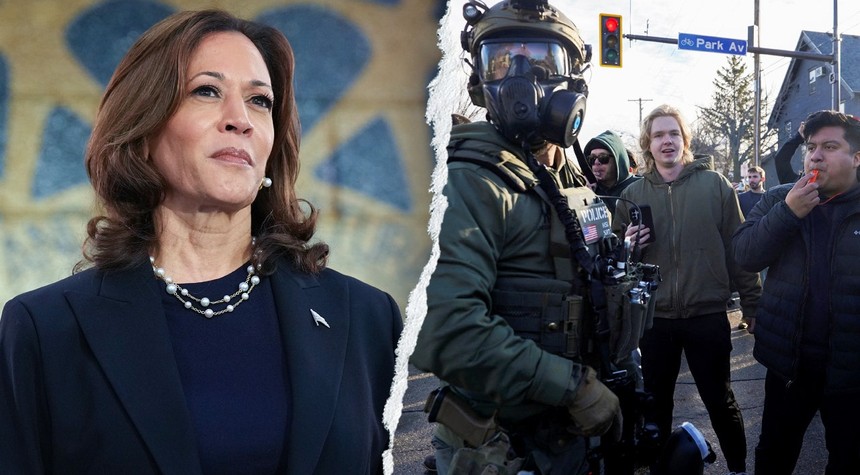
Former Vice President Kamala Harris has publicly endorsed community efforts to interfere with federal immigration enforcement operations, calling Minneapolis residents’ resistance “such a beautiful example” for the nation.
Speaking Wednesday evening during a book tour stop at the Macon City Auditorium in Georgia before approximately 300 attendees, Harris described organized efforts by Minneapolis residents to obstruct Immigration and Customs Enforcement operations. These tactics include using whistles to alert neighborhoods of federal agents’ presence and deploying smartphones to record enforcement activities.
“In Minnesota, in what we’ve been seeing in Minneapolis, is such a beautiful example,” Harris stated. “Look at what’s been happening where folks in the community, who don’t necessarily know each other, are coming out with their whistles and blowing their whistles to alert people in the community about what might be happening that is a threat to the members of the community. They’re pulling out their smartphones, their cell phones, and they’re taking the video, and they’re looking out for their neighbors.”
The former vice president’s remarks come amid heightened tensions in Minneapolis following federal immigration enforcement operations in the area. Harris framed the community response as neighbors protecting one another from perceived threats, though the activities she praised are designed to impede lawful federal operations.
During her appearance, Harris also declared that “there are moments where we just must be intolerant and say we’re not having that,” though the context of this statement and what specifically should not be tolerated remained unclear from her remarks.
The Department of Homeland Security and Immigration and Customs Enforcement have been contacted for comment on the former vice president’s characterization of community interference with federal law enforcement operations, though no response has been provided at this time.
Harris’s comments raise significant questions about the relationship between local communities and federal immigration enforcement. While the former vice president presents these actions as neighborly vigilance, critics argue that organized efforts to obstruct federal agents performing their lawful duties constitute interference with law enforcement.
The tension between local resistance and federal authority is not new to American governance, but a former vice president explicitly praising such resistance represents a notable development in the ongoing debate over immigration policy and enforcement. Harris served in the administration that oversaw federal law enforcement agencies, including ICE, making her current position particularly noteworthy.
The Minneapolis situation reflects broader national divisions over immigration enforcement policy and the appropriate balance between federal authority and local community sentiment. As these tensions continue, statements from prominent political figures like Harris will likely influence how communities across the nation respond to federal immigration operations.
Related: Washington Raises Alarm Over Chinese Infrastructure Project in Peru