
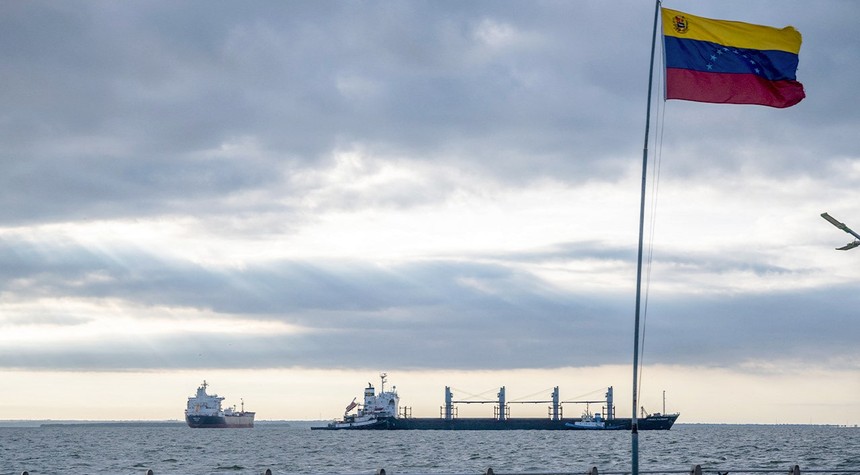
Four oil tankers that departed Venezuelan waters in early January with their tracking transponders deliberately disabled have returned to the South American nation, marking a significant development in the complex maritime situation following the capture of former dictator Nicolás Maduro.
The vessels, operating in what maritime observers call “dark mode,” left Venezuela’s territorial waters during a period of heightened uncertainty. Their return comes as President Donald Trump has begun discussions with American companies about potential roles in rebuilding Venezuela’s shattered economy and infrastructure.
According to maritime monitoring services, most of the four returning tankers arrived loaded with cargo. Petróleos de Venezuela, the state-owned oil company known as PDVSA, confirmed the vessels’ return to Venezuelan waters. The development occurs against the backdrop of several American tanker seizures and the Trump administration’s stated interest in securing access to Venezuelan petroleum resources.
The situation at sea has grown increasingly complex since mid-December, when the United States imposed a naval blockade around Venezuela. Despite this blockade, approximately one dozen loaded vessels and at least three empty ships managed to depart Venezuelan waters last month. The flotilla’s movement demonstrates the difficulties inherent in enforcing maritime restrictions in the region.
Venezuela sits atop some of the world’s largest proven oil reserves, yet decades of mismanagement under socialist rule have left the nation’s petroleum infrastructure in severe disrepair. The country’s oil production has plummeted from its historical peaks, and the quality of Venezuelan crude has made it less attractive to international buyers in recent years.
President Trump has indicated that American companies could play a substantial role in revitalizing Venezuela’s oil sector. Such involvement would require significant capital investment and technical expertise to repair refineries, restore production facilities, and rebuild the export infrastructure that has deteriorated under years of corruption and neglect.
The maritime movements around Venezuela reflect broader questions about the nation’s future following Maduro’s arrest. International observers are watching closely to see how the transition unfolds and whether Venezuela can stabilize sufficiently to become a reliable energy partner for the United States.
The return of these tankers, despite their earlier departure during uncertain times, suggests that some degree of commercial activity continues even as the political situation remains fluid. The vessels’ operators apparently calculated that conditions had improved sufficiently to warrant their return to Venezuelan ports.
For the United States, Venezuelan oil represents both an opportunity and a challenge. Securing access to these resources could reduce American dependence on other foreign oil suppliers and provide economic leverage in the Western Hemisphere. However, rebuilding Venezuela’s petroleum sector will require sustained commitment and substantial investment over many years.
The Trump administration’s approach appears to prioritize American commercial interests while supporting Venezuela’s transition away from authoritarian rule. Whether this strategy succeeds will depend on numerous factors, including political stability in Caracas, the willingness of American companies to invest in a historically risky environment, and the cooperation of international partners.
Related: Iranian Protests Enter Third Week as Death Toll Reaches 538