
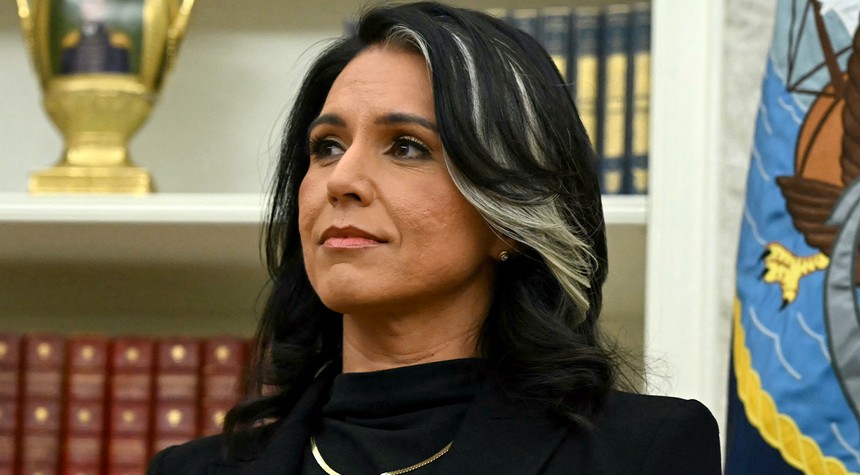
Director of National Intelligence Tulsi Gabbard announced Wednesday the dissolution of a controversial task force established less than one year ago to reform the nation’s intelligence apparatus, ending an initiative that sparked significant debate about the politicization of America’s spy agencies.
The task force, created in April under Gabbard’s direction, was charged with examining the intelligence community’s operations across multiple fronts: identifying and eliminating political bias in intelligence gathering, exploring opportunities to reduce spending, and determining whether certain high-profile intelligence reports, including those concerning COVID-19, warranted declassification.
Gabbard characterized the task force’s mission as temporary from its inception, designed to address specific concerns within the 18 intelligence agencies she oversees. In her statement, she emphasized the group’s accomplishments in bringing what she termed a “historic level of transparency” to the intelligence community.
“My commitment to transparency, truth, and eliminating politicization and weaponization within the intelligence community remains central to all that we do,” Gabbard stated.
The exact number of officers assigned to the task force, along with their identities, remains classified according to Gabbard’s office. These personnel will now return to their respective intelligence agencies to continue implementing the reforms the task force initiated.
The announcement comes amid ongoing scrutiny of Gabbard’s tenure as DNI. President Donald Trump recently confirmed that Gabbard was present during an FBI search of an election facility in Fulton County, Georgia, stating that Attorney General Pam Bondi had requested her attendance.
From its creation, the task force generated substantial criticism, particularly from Democratic lawmakers and veteran intelligence officials who questioned whether it would serve as a vehicle for political interference in intelligence operations. Critics expressed concern that the group might be used to bring intelligence agencies under tighter executive control and to target career intelligence officers perceived as insufficiently loyal to the administration.
Senator Mark Warner of Virginia, vice chairman of the Senate Intelligence Committee, voiced strong objections last year, characterizing the task force as a mechanism for conducting what he called a “witch hunt” against intelligence professionals. Warner warned that such activities would “further undermine our national security.”
The intelligence community has undergone significant changes during Gabbard’s tenure, with the DNI implementing new protocols and procedures across multiple agencies. The dissolution of the task force represents a transition from the review phase to implementation, with responsibility for continuing reform efforts now distributed among the various intelligence agencies.
The debate surrounding the task force reflects broader tensions about the proper relationship between elected officials and career intelligence professionals, a perennial challenge in American governance that has intensified in recent years. Questions about political influence in intelligence assessments have concerned both parties, though they have disagreed sharply on where such influence originates and how to address it.
As the officers return to their home agencies, the lasting impact of the task force’s work remains to be seen. Gabbard’s office maintains that the reforms initiated will continue, though the centralized review mechanism has now been dismantled.
Related: Colombian Model Admits to Laundering Over $31 Million in Drug Money Through U.S. Banks