
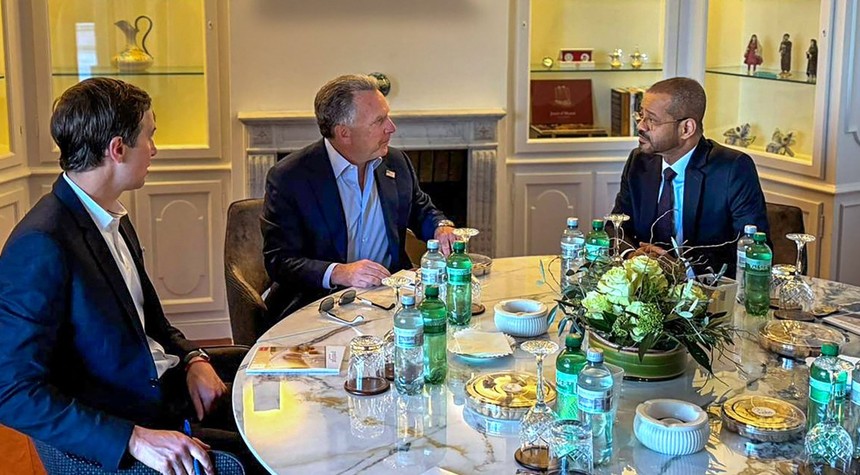
The United States and Iran convened in Geneva on Thursday for their third round of indirect nuclear negotiations, a diplomatic effort unfolding against the backdrop of significant American military deployments to the Middle East and increasingly pointed warnings from the Trump administration.
The talks, mediated by Oman, represent a critical juncture in the long-standing dispute over Iran’s nuclear ambitions. President Trump, in his recent State of the Union address, made explicit his concerns about Tehran’s nuclear and ballistic missile programs, stating that Iran was working to develop missiles capable of reaching American soil and attempting to reconstitute nuclear capabilities that were damaged in strikes last year.
Vice President JD Vance articulated the administration’s position with clarity on Wednesday. “The principle is very simple: Iran cannot have a nuclear weapon,” he stated at a news conference. He added that Washington had observed evidence suggesting Iran was attempting to rebuild such capabilities, a development the administration views as unacceptable.
The Iranian government has consistently and categorically denied pursuing nuclear weapons development. Tehran has characterized Trump’s assertions as fabrications and warned that any military action by the United States or Israel would provoke a substantial response.
The diplomatic proceedings in Geneva occur during what military analysts describe as the most extensive American military buildup in the Middle East in decades. This deployment reflects the seriousness with which the administration views the situation, even as it pursues diplomatic channels.
The administration’s messaging on Iran has evolved in recent weeks. Initial threats of intervention focused on Tehran’s crackdown on domestic unrest last month. More recently, however, the emphasis has shifted to the nuclear program. This shift has raised questions, particularly given the president’s previous statements that the nuclear program had been “obliterated” in strikes conducted last June. Trump clarified Tuesday that while those operations were successful, Iran had begun rebuilding efforts.
Secretary of State Marco Rubio provided additional context on Wednesday, explaining that Iran continually attempts to restore elements of its nuclear infrastructure. While acknowledging that Tehran is not currently enriching uranium, he emphasized that Iran is working toward regaining that capability.
The scope of American demands extends beyond nuclear enrichment. The administration is pressing for Iranian concessions on its ballistic missile program and its support for militant organizations throughout the Middle East. Iran, for its part, has insisted that negotiations remain confined to nuclear matters.
Omani Foreign Minister Badr al-Busaidi, whose nation serves as mediator, reported encouraging signs following meetings with administration representatives, including Jared Kushner and special envoy Steve Witkoff. In statements made during a break in proceedings, he noted that both sides had demonstrated willingness to consider new approaches and that “creative and positive ideas” had been exchanged.
Negotiations were scheduled to resume Thursday afternoon following the recess. The specific details of Iran’s proposals have not been disclosed publicly, though Tehran has made clear its expectation that economic sanctions be lifted as part of any agreement.
The outcome of these talks will have far-reaching implications for regional stability and American security interests in the Middle East. As negotiations continue, the world watches to see whether diplomacy can resolve a dispute that has brought the region closer to military conflict than it has been in years.
Related: Texas Congressman Faces Bipartisan Calls to Resign Amid Affair Allegations