
Iran has effectively placed the world’s energy supply under siege, deploying thousands of sea mines across the Strait of Hormuz in what military analysts describe as a return to World War I-era naval warfare tactics.
The strategic waterway, through which a substantial portion of global oil supplies must pass, has become increasingly treacherous following Iranian retaliation against recent American and Israeli military strikes. The Islamic Republic’s response represents not a sophisticated technological countermeasure, but rather a crude yet effective strategy that exploits a critical vulnerability in Western naval capabilities.
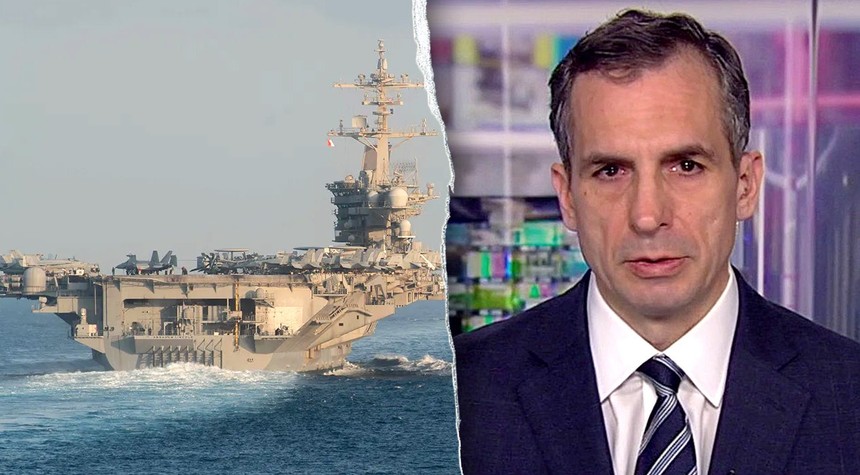
Retired Colonel Joe Buccino, who served as Communications Director for United States Central Command, characterized the situation as a crisis more than three decades in the making. The mines, which Iran has stockpiled by the thousands, can detonate either at the surface or below the waterline, with explosive force sufficient to tear through a ship’s hull and potentially sink or disable commercial vessels.
The psychological dimension of this threat may prove as significant as the physical danger itself. The uncertainty surrounding the exact number and precise locations of these weapons creates an atmosphere of fear that has already begun to disrupt the flow of oil through the strait. This represents precisely the outcome Tehran seeks: economic disruption without the need for direct military confrontation.
What makes this situation particularly troubling is the asymmetric nature of the threat. While the United States maintains overwhelming superiority in advanced naval technology and firepower, these advantages prove largely irrelevant against an enemy employing such primitive yet effective weapons. The mines require specialized vessels and equipment to locate and neutralize, capabilities that the United States Navy has unfortunately allowed to atrophy in recent years.
Colonel Buccino noted that the Navy has decommissioned most of its mine-clearing ships, a decision that now appears shortsighted given current circumstances. Iranian military planners have evidently recognized this gap in American naval assets and moved swiftly to exploit it. The result is a situation where one of the world’s most powerful navies finds itself constrained by weapons that would have been familiar to sailors a century ago.
The timing of Iran’s actions coincides with drone strikes that have shut down liquefied natural gas production facilities in Qatar, compounding the energy crisis and driving prices upward across global markets. These coordinated actions suggest a deliberate Iranian strategy to leverage control over regional energy infrastructure as both an economic weapon and a deterrent against further military action.
The broader implications extend beyond immediate concerns about oil prices and shipping disruptions. This episode demonstrates how determined adversaries can neutralize technological superiority through asymmetric warfare tactics. It also raises serious questions about strategic planning within the American defense establishment and whether sufficient attention has been paid to unglamorous but essential capabilities such as mine countermeasures.
As President Trump and his national security team monitor ongoing military operations, the challenge remains clear: restoring freedom of navigation through one of the world’s most critical waterways while avoiding escalation into broader regional conflict. The resolution of this crisis will require not only military action to clear the mines but also a fundamental reassessment of the capabilities necessary to maintain American naval supremacy in an era when adversaries increasingly turn to unconventional methods.
And that is the way it is.
Related: Thai Police Arrest 21 in Global Operation Against Criminal Fraud Compounds