
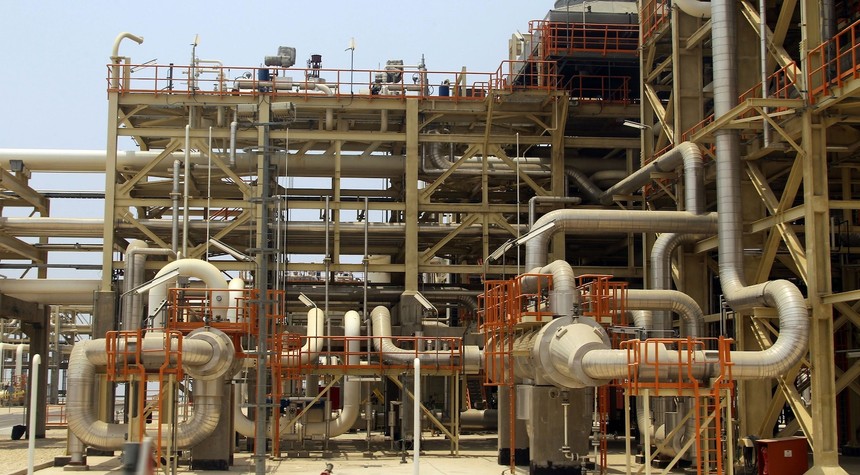
Iran’s Islamic Revolutionary Guard Corps has issued evacuation orders for energy facilities across Qatar, Saudi Arabia, and the United Arab Emirates following an Israeli strike on Iranian gas refinery infrastructure in Asaluyeh, marking a dangerous new phase in the ongoing conflict between the two nations.
The escalation comes in the wake of major combat operations initiated by President Donald Trump on February 28, which included coordinated U.S.-Israel strikes against military and government installations throughout Iran. Those operations resulted in the death of Ayatollah Ali Khamenei, with his son Mojtaba Khamenei subsequently chosen as successor. Iran has responded with missile and drone attacks targeting Israeli territory, American military bases in the region, and multiple Gulf nations, while simultaneously attempting to disrupt shipping lanes through the strategic Strait of Hormuz.
According to Iran’s Ministry of Oil, facilities in Asaluyeh sustained damage from the Israeli attack, with cooling and fire suppression operations currently underway. The ministry reported no casualties from the strike. However, the Revolutionary Guard’s response has raised concerns about the conflict’s potential spread across the Persian Gulf region.
The evacuation order, reported by the semi-official Mehr News Agency, declared energy assets in neighboring Gulf states as “direct and legitimate targets” to be struck “in the coming hours.” The IRGC directed all citizens, residents, and employees to evacuate these areas immediately and relocate to safe distances.
“Previously, clear and repeated warnings were given to your rulers about entering this dangerous path and gambling with the fate of their nations,” the Revolutionary Guard stated in its evacuation directive.
A spokesman for Khatam al Anbiya, the command headquarters of Iran’s armed forces, vowed a “strong attack” against what Tehran characterizes as the source of aggression. The spokesman indicated that Iran considers targeting fuel, energy, and gas infrastructure of the “country of origin” as legitimate retaliation, promising action “at the first opportunity.”
The Qatari Ministry of Foreign Affairs condemned the Israeli strike, noting that the targeted facilities are connected to Iran’s South Pars field, which shares geological formations with Qatar’s North Field. Qatar characterized the attack as a “dangerous and irresponsible step amid the current military escalation in the region.”
“Targeting energy infrastructure constitutes a threat to global energy security, as well as to the peoples of the region and its environment,” the ministry stated, calling on all parties to exercise restraint and adhere to international law while working toward de-escalation.
The situation has grown increasingly complex as Israel intensifies its ongoing strike campaign against the Iran-backed Hezbollah militia in Lebanon, opening multiple fronts in what has become a regional conflict with global implications.
The threatened attacks on Gulf state energy infrastructure represent a significant escalation that could affect worldwide energy markets and draw additional nations into the conflict. The Persian Gulf region accounts for a substantial portion of global oil and natural gas production, and any disruption to these facilities would have immediate ramifications for international energy prices and supply chains.
And that is the situation as it stands this evening in the Middle East.
Related: Navy Deploys Wall-Climbing Robots to Combat Maintenance Delays as China Expands Fleet