
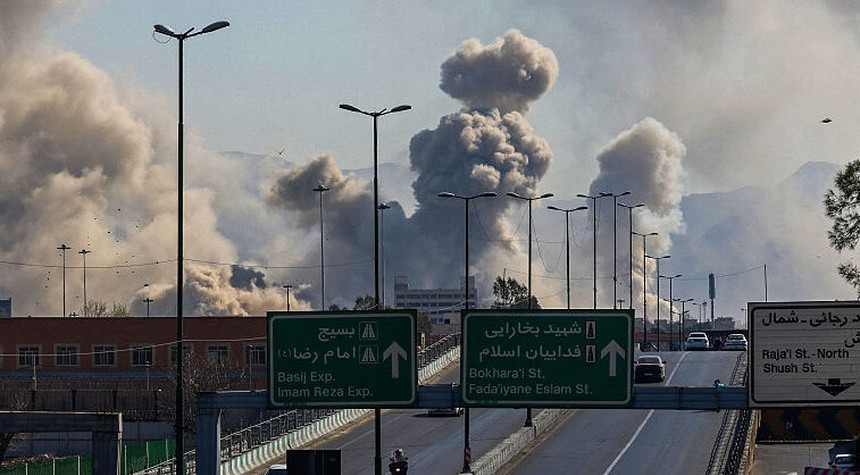
The military confrontation between the United States and Iran entered its sixth day Thursday, with Tehran issuing stern warnings of retribution following the sinking of an Iranian warship in international waters.
The escalating conflict has begun to affect neighboring countries, as Azerbaijan became the latest nation to experience Iranian strikes. The expansion of hostilities beyond direct U.S.-Iranian engagement raises concerns about a broader regional conflagration.
In a significant development Thursday morning, the Kurdistan Regional Government of Iraq issued a categorical denial of involvement in any planned military action against Iran. The statement comes in response to circulating reports suggesting that Kurdish militants were being armed by American intelligence services in preparation for a ground invasion of Iranian territory.
The KRG, which governs the semi-autonomous Kurdish region in northern Iraq, moved swiftly to distance itself from such claims. The Peshmerga forces under KRG control represent the largest Kurdish ethnic militia in the Middle East, making their position on this matter of considerable importance to regional stability.
According to the allegations, which the KRG firmly disputes, the operation would aim to foment a popular uprising within Iran. Such claims, if substantiated, would represent a significant escalation in American strategy, moving beyond naval and air operations to support for ground forces capable of penetrating Iranian territory.
The Kurdistan Regional Government’s president released a formal statement addressing these reports, though the specifics of Kurdish involvement or non-involvement remain a matter of international scrutiny as this conflict continues to develop.
The sinking of the Iranian warship in international waters marks a notable escalation in military engagement. Iran’s characterization of this action as occurring in international waters suggests potential complications regarding maritime law and rules of engagement, though details of the encounter remain limited.
Iran’s retaliatory strikes against Azerbaijan represent a troubling expansion of the conflict zone. Azerbaijan, positioned along Iran’s northern border, has maintained complex relationships with both Tehran and Western powers. The decision to strike Azerbaijani targets suggests Iran may be willing to widen the scope of its response beyond direct confrontation with American forces.
As this situation develops, questions remain about the ultimate objectives of both parties and the potential for diplomatic resolution. The involvement of regional actors, whether through direct strikes or alleged support for insurgent groups, complicates any path toward de-escalation.
The international community watches closely as this sixth day of military operations unfolds, with particular attention to whether additional nations will be drawn into the conflict and whether the reported intelligence operations represent actual American policy or merely unfounded speculation in a region where information and disinformation often prove difficult to distinguish.
What remains clear is that tensions continue to mount, with both sides demonstrating willingness to employ military force and neither showing immediate signs of seeking diplomatic off-ramps from this dangerous confrontation.
Related: French President Criticizes Allied Strikes on Iran While Acknowledging Tehran’s Culpability