
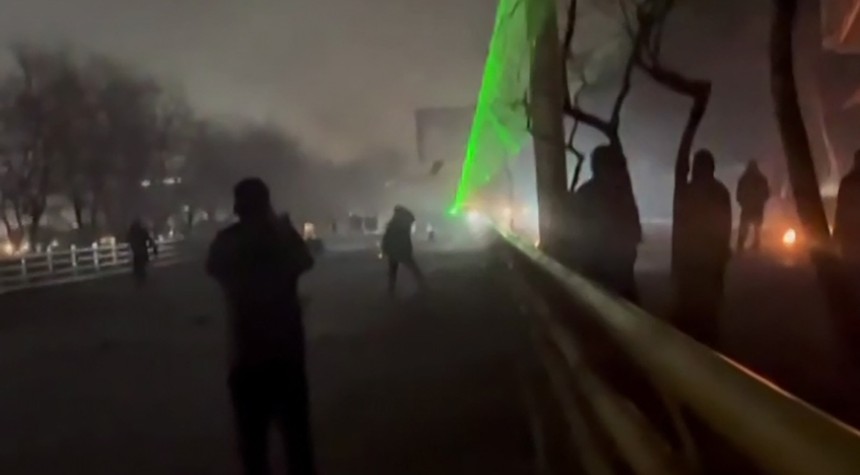
The scope of civil unrest in Iran has reached a critical juncture, with the death toll from anti-government protests climbing to 646 as of Monday, according to data compiled by the Human Rights Activists News Agency, a monitoring organization based in the United States.
Over sixteen days of sustained demonstrations, Iranian security forces have arrested at least 10,721 individuals across 606 locations spanning 187 cities in all 31 of the nation’s provinces. The dead include 505 protesters and nine children, according to the monitoring group’s reports, which rely on a network of activists both within Iran and abroad. These figures cannot be independently verified at this time.
The Iranian government has maintained silence regarding casualty figures from the ongoing demonstrations. State-aligned media outlets within Iran have reported that more than 100 security force members have perished in the violence. The monitoring agency places that number at 133 military and security personnel, along with one prosecutor.
President Trump responded to the crisis Monday with a decisive economic measure, announcing a 25 percent tariff on any nation conducting business with the Islamic Republic. The president had previously issued repeated warnings against Tehran’s use of force to suppress the demonstrations.
“Effective immediately, any Country doing business with the Islamic Republic of Iran will pay a Tariff of 25% on any and all business being done with the United States of America,” the president stated. “This Order is final and conclusive.”
The announcement drew immediate response from Beijing, a key trading partner for Tehran. A Chinese Foreign Ministry spokesperson declared that China would “firmly safeguard its legitimate rights and interests,” adding that the nation “supports Iran in maintaining national stability” while opposing “interference in other countries’ internal affairs and the use or threat of force in international relations.”
The president’s national security team is scheduled to convene at the White House on Tuesday to evaluate options for American intervention in the crisis. Officials familiar with the discussions indicate that new sanctions targeting regime figures or Iran’s energy and banking sectors remain under active consideration.
White House press secretary Karoline Leavitt made clear Monday that military action has not been ruled out. “The president is always keeping all of his options on the table and air strikes would be one of the many, many options on the table for the commander in chief,” she stated, while emphasizing that “diplomacy is always the first option for the president.”
The State Department has issued an urgent advisory for American citizens to depart Iran, citing escalating protests and heightened security measures. The advisory, posted on the virtual Embassy Tehran website Monday, warns of continued internet disruptions and recommends that Americans consider land routes to Armenia or Turkey if safe passage permits.
The unfolding crisis presents the administration with a complex challenge, balancing support for what many view as legitimate democratic aspirations against the risk of broader regional instability. As the situation develops, the international community watches closely to see whether economic pressure alone will prove sufficient to alter Tehran’s course, or whether more direct intervention may become necessary.
Related: Iranian Americans Rally in San Antonio as Protests Continue Against Tehran Regime