
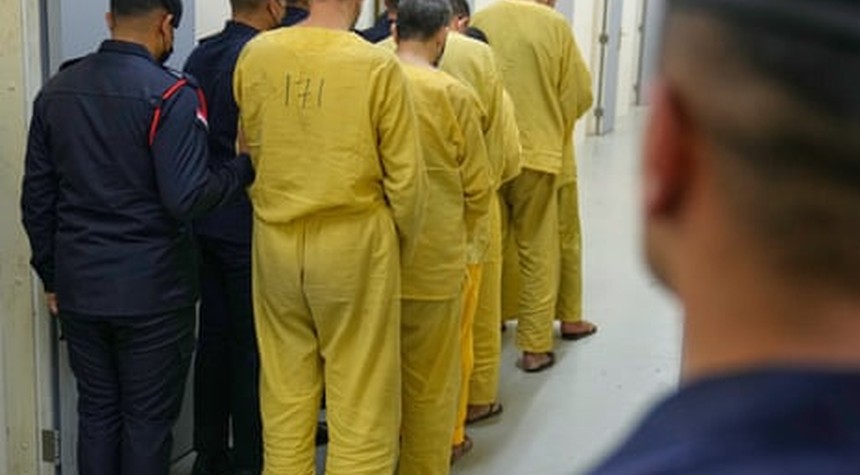
The Australian Department of Foreign Affairs and Trade confirmed this week that Australian citizens are among 5,704 detainees transferred from Syrian prisons into Iraqi custody, where they may face terrorism charges that carry the death penalty.
Iraq’s national centre for international judicial cooperation announced Friday it had assumed custody of the alleged former Islamic State fighters from 61 countries. The group includes citizens from Australia, New Zealand, the United Kingdom, and the United States, marking one of the largest transfers of foreign fighters since the territorial collapse of the Islamic State caliphate.
Unconfirmed reports indicate that 13 Australians may be among those transferred, though their identities and the specific charges they might face remain unclear. The Australian government has declined to confirm the exact number of its citizens involved or whether it is providing consular assistance.
The transfer raises serious questions about due process and the fate of these detainees. Iraq maintains one of the world’s most active execution programs for terrorism-related convictions, ranking as the fourth-highest executioner globally. The country has consistently carried out death sentences by hanging for those convicted of terrorism offenses, and at least one Australian has previously received a death sentence in Iraq after being found guilty of Islamic State membership.
The legal framework surrounding these detainees remains murky. It is uncertain whether individuals will be deported to their home countries if no charges are filed, or if all will face prosecution under Iraqi law. This ambiguity presents diplomatic challenges for Western nations whose citizens are now in Iraqi custody.
The situation underscores the continuing aftermath of the Islamic State’s reign of terror across Syria and Iraq. At its height, the terrorist organization controlled territory roughly the size of the United Kingdom and attracted tens of thousands of foreign fighters from around the world. Many Western nations have grappled with how to handle their citizens who traveled to join the extremist group, balancing security concerns against legal and humanitarian obligations.
The Syrian Democratic Forces, which have held thousands of suspected Islamic State members in detention facilities throughout northeastern Syria, have long pressed for international assistance in handling foreign fighters. The transfer to Iraq appears to be part of a broader effort to resolve the status of these detainees, though it raises new concerns about legal standards and human rights protections.
The Australian government stated it is seeking additional information from relevant authorities but has provided no timeline for when clarity might emerge regarding its citizens’ situations. The transfer highlights the complex international dimensions of counterterrorism efforts and the difficult questions nations face when their citizens are accused of joining foreign terrorist organizations.
As these cases move forward, they will test the balance between national security imperatives and the rights of citizens accused of serious crimes abroad. The outcomes may establish precedents for how democratic nations handle similar situations in the future.
Related: María Corina Machado Credits Trump Administration for Historic Shift in Venezuela