

Reports from Washington and Tokyo indicate a developing tension over rice imports between the United States and Japan.
President Donald Trump has publicly criticized Japan for not importing American rice, despite what he claims is a “massive rice shortage” in the country. The Japanese government, however, maintains its position on protecting its agricultural sector.
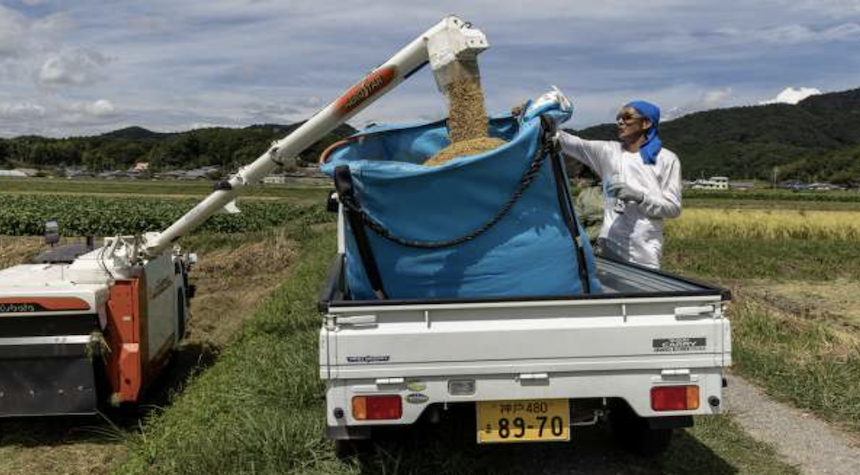
Japan has indeed been facing a rice shortage, with prices doubling due to a poor harvest in 2023. The Japanese government has responded by releasing emergency rice stocks to stabilize prices. However, they remain firm in their stance on imports.
Chief Cabinet Secretary Yoshimasa Hayashi stated, “We are not thinking about doing anything that would sacrifice the farm sector.” This sentiment was echoed by Farm Minister Shinjiro Koizumi, who emphasized continued efforts to maximize Japan’s national interests.
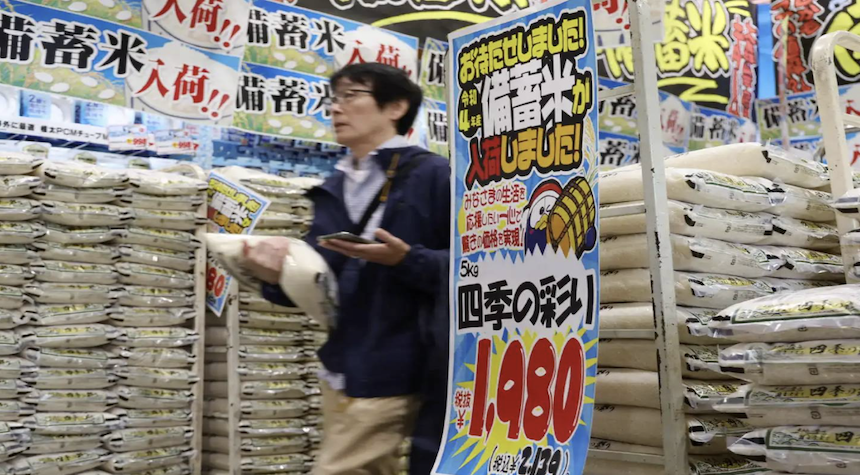
The significance of this dispute should not be overlooked. It highlights the ongoing challenges in trade negotiations between the two allies, particularly in sensitive sectors like agriculture.
As this situation develops, questions remain about potential impacts on U.S.-Japan relations and global rice markets. This situation suggests a complex interplay of domestic policy, international trade, and diplomatic relations.