
Israeli military forces conducted precision strikes against military installations in western and central Iran early Monday morning, marking a significant escalation in hostilities between the two regional adversaries despite American diplomatic efforts to prevent immediate retaliation.
The strikes followed an Iranian missile barrage directed at Israeli territory on Sunday, which itself came in response to Israeli operations against Hezbollah positions in Beirut’s southern suburbs. This sequence of actions threatens to unravel the fragile ceasefire that had held since early April and complicates ongoing mediation efforts by Pakistan and other international actors seeking to restart negotiations between Tehran and Washington.
President Trump had personally telephoned Israeli Prime Minister Benjamin Netanyahu urging restraint and requesting that Israel delay any immediate response to the Iranian attack. According to senior administration officials familiar with the conversation, the President believed he had successfully convinced the Prime Minister to exercise patience. That assessment proved premature.
The Iranian missile launches prompted immediate action from American forces stationed throughout the region. United States Central Command confirmed that military assets remain vigilant and prepared to respond to further developments. The American Embassy in Israel directed all employees and their family members to shelter in place as the situation unfolded.
Israel’s defense systems worked to intercept the incoming Iranian missiles, though military officials acknowledged that their protective measures are not impenetrable. Air raid sirens sounded across multiple Israeli cities, particularly in northern regions of the country. While the Israeli military successfully neutralized many of the incoming threats, the sheer volume of missiles launched represented the first such bombardment since the April ceasefire began.
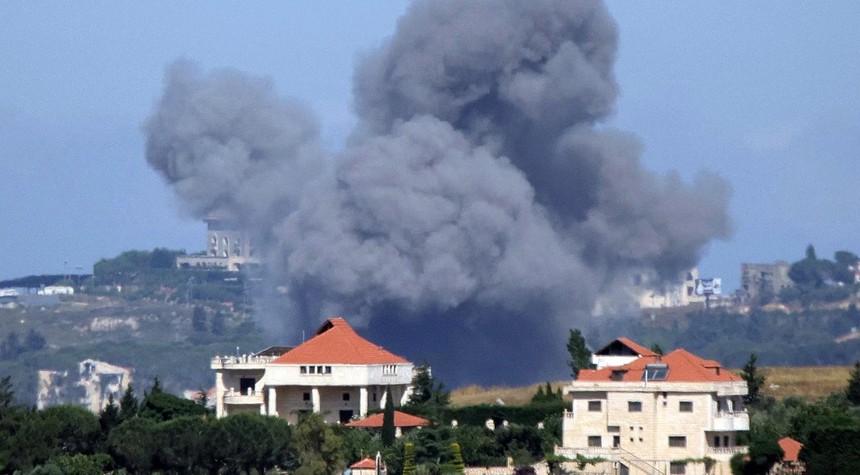
The immediate catalyst for Iran’s missile attack was an Israeli air strike on Beirut’s southern suburbs conducted without warning, targeting Iranian-backed Hezbollah positions. That operation came after Hezbollah forces had fired upon northern Israeli settlements earlier in the day. Lebanon’s health ministry reported two fatalities and twenty injuries from the Israeli strike, including four women and four children.
Iran’s chief negotiator and parliamentary speaker Mohammad Bagher Ghalibaf issued stark warnings on Sunday, declaring that Israeli strikes on Lebanese territory, combined with ongoing American naval blockades of Iranian ports, would transform American military installations and Israeli assets throughout the region into legitimate targets. He emphasized that Iranian armed forces retain complete operational freedom to respond as they see fit.
President Trump addressed the crisis directly, stating his recommendation to Tehran in clear terms. The President suggested that Iran has made its point with the missile launches and should now return to diplomatic negotiations. The administration confirmed that the President has received regular briefings on the deteriorating situation.
The question of American citizens detained in Iran has emerged as a potential complicating factor in any future negotiations. When asked whether a comprehensive agreement with Tehran would include the release of Americans held by Iranian authorities, the President indicated that discussions remain ongoing and that precise information regarding detained Americans is still being verified.
United States forces throughout the Middle East remain on heightened alert as diplomatic channels work to prevent further escalation of what could rapidly develop into a broader regional conflict.
Related: Israeli Military Strikes Iran Following Missile Exchange as Trump Urges Restraint