
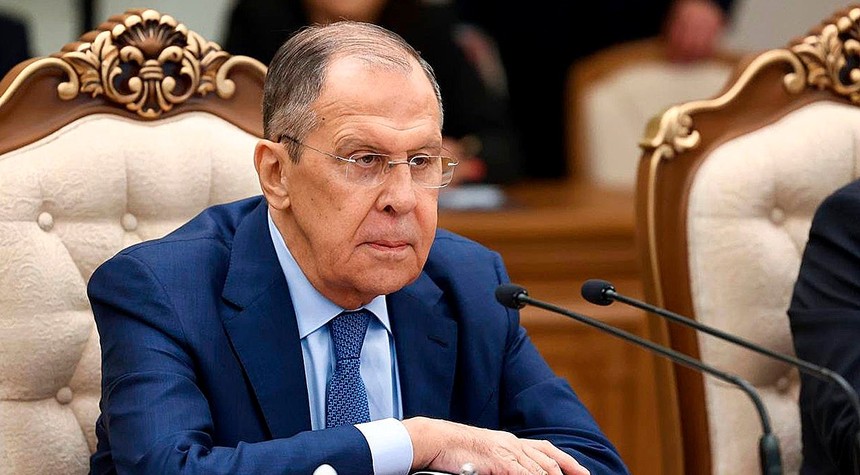
Russian Foreign Minister Sergey Lavrov has indicated Moscow’s readiness to meet face-to-face with U.S. Secretary of State Marco Rubio, a development that suggests the Kremlin remains interested in maintaining diplomatic dialogue even as fundamental disagreements over Ukraine persist.
In remarks delivered to the state news agency RIA Novosti this past Sunday, Lavrov emphasized what he characterized as a mutual understanding between himself and Secretary Rubio regarding the necessity of regular communication between the two nations.
“Secretary of State Marco Rubio and I understand the need for regular communication,” Lavrov stated. “It is important for discussing the Ukrainian issue and promoting the bilateral agenda. That is why we communicate by telephone and are ready to hold face-to-face meetings when necessary.”
The diplomatic overture arrives at a moment of heightened tensions following a significant Russian military demonstration. President Vladimir Putin announced that Russia had successfully tested a nuclear-powered underwater torpedo, a weapons system designed to evade conventional missile defense systems and deliver devastating strikes against coastal targets.
The test, conducted in late October, represents a troubling escalation in Russia’s military posturing. Two days following Putin’s announcement, the United States canceled a planned summit in Budapest between President Donald Trump and the Russian leader, signaling Washington’s concern over Moscow’s increasingly aggressive stance.
What remains unclear is whether Lavrov’s diplomatic overture represents a genuine opening for substantive negotiations or merely a tactical maneuver designed to project reasonableness while Russia maintains its territorial gains in Ukraine. The Kremlin has consistently refused to modify its fundamental demands for ending the conflict, which include recognition of its annexation of Ukrainian territory.
The situation is further complicated by the Trump administration’s recent decision to exempt Hungary from sanctions related to its continued purchases of Russian oil and gas. This exemption has raised questions about the coherence of Western sanctions policy and the extent to which economic pressure can be maintained against Moscow when key European allies continue energy trade with Russia.
Former Syria Special Representative James Jeffrey has noted that these diplomatic developments occur against a backdrop of shifting regional dynamics, including the upcoming visit of the Syrian president to the White House, another indication of the Trump administration’s willingness to engage with leaders previously isolated by Washington.
The question facing American policymakers is whether engagement with Moscow at this juncture serves strategic interests or merely provides diplomatic cover for continued Russian aggression. The answer may determine not only the trajectory of the Ukraine conflict but the broader contours of U.S.-Russian relations for years to come.
What is certain is that the diplomatic channels between Washington and Moscow remain open, even as the fundamental disagreements that sparked the Ukraine war show no signs of resolution.
Related: United States Weighs Sanctions and Military Response to Religious Violence in Nigeria