
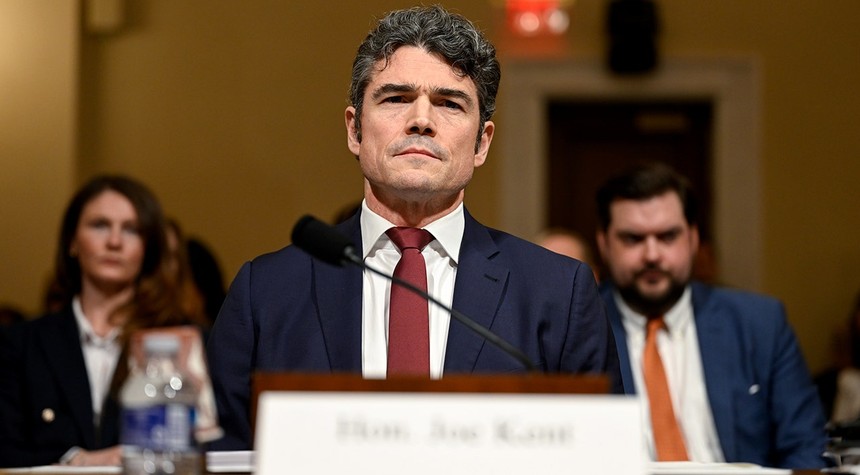
The Director of the National Counterterrorism Center resigned from his position Tuesday, citing his opposition to ongoing military operations against Iran and questioning the strategic justification for American involvement in the conflict.
Joe Kent announced his departure in a public statement, declaring he could no longer serve in good conscience while the United States prosecutes what he characterized as an unnecessary war. Kent’s resignation represents a significant break within the intelligence community over the administration’s Middle East policy.
“Iran posed no imminent threat to our nation,” Kent wrote in his resignation statement. He went further, asserting that the conflict arose from external pressure rather than legitimate national security concerns, specifically citing influence from Israel and pro-Israel advocacy groups in the United States.
In a letter addressed directly to President Donald Trump, Kent expressed that the current military engagement represents a departure from the administration’s previously stated commitment to avoiding prolonged military entanglements in the Middle East. This criticism carries particular weight given Kent’s position at the apex of America’s counterterrorism apparatus, where he would have access to the most sensitive intelligence regarding threats to the homeland.
The resignation comes at a delicate moment for American foreign policy in the region. The National Counterterrorism Center serves as the primary organization for analyzing and integrating intelligence related to terrorism threats against American interests. Kent’s departure raises questions about potential divisions within the intelligence community regarding threat assessments and military strategy.
Kent’s public statement represents an unusual breach of the traditional discretion maintained by senior intelligence officials, even after leaving government service. His willingness to openly challenge the administration’s rationale for military action suggests deep concerns about the decision-making process that led to the current conflict.
The timing and manner of Kent’s resignation will likely intensify debate over American military involvement in Iran. His assertion that the threat from Tehran was not imminent directly contradicts the public justifications offered for military action. Such contradictions between intelligence assessments and policy decisions have historically proven consequential in shaping public opinion about foreign conflicts.
The administration has not yet responded to Kent’s specific allegations regarding the origins of the conflict or his characterization of Iran’s threat level. The absence of an immediate rebuttal leaves Kent’s claims standing in the public discourse without official challenge.
This development adds another layer of complexity to an already contentious foreign policy situation. Kent’s credentials and access to classified intelligence give his dissent considerable credibility, potentially influencing both congressional oversight and public support for continued military operations.
The broader implications for intelligence community morale and the administration’s ability to maintain unified messaging on national security matters remain to be seen. What is certain is that Kent’s resignation has introduced a prominent voice of opposition from within the very institutions charged with assessing threats and protecting American security interests.
Related: Chinese Tech Giant Circumvents US Chip Restrictions Through Malaysian Data Centers