
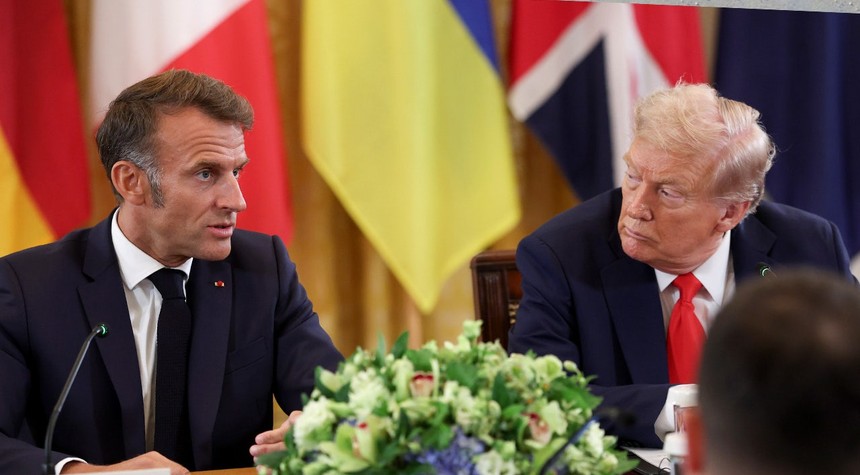
The North Atlantic Treaty Organization finds itself at a crossroads this week as European allies have declined to participate in potential military operations to reopen the Strait of Hormuz, raising fundamental questions about the alliance’s purpose and reliability in global crises.
President Donald Trump has expressed frustration with the allied response, stating that most NATO members have informed the United States they do not wish to become involved in military operations against Iran. The president’s concerns extend beyond immediate operational needs to the broader question of burden-sharing within the Western alliance.
The Strait of Hormuz represents far more than a regional waterway. This narrow passage between Iran and Oman serves as the primary transit route for approximately twenty percent of the world’s oil supply. Any sustained disruption to shipping through the strait carries immediate consequences for global energy markets and the broader international economy.
The strategic significance of this moment cannot be overstated. While NATO’s founding charter centers on collective defense of European territory, the current crisis tests whether the alliance can function as a global security partnership or remains fundamentally limited to regional concerns. The answer to that question may well determine NATO’s relevance in the twenty-first century.
France has taken a particularly cautious stance, with President Emmanuel Macron indicating that any potential escort mission would occur only after the situation stabilizes. This position reflects a broader European reluctance to engage in combat operations outside the alliance’s traditional area of responsibility.
The political ramifications are already evident in Washington. Senator Lindsey Graham, a traditional supporter of the Atlantic alliance, has stated that the lack of allied support causes him to reconsider the value of these partnerships. He warned that the repercussions of European inaction could prove wide and deep.
President Trump has been characteristically direct in his assessment. In recent statements, he has suggested that a negative or insufficient allied response would prove detrimental to NATO’s future. The president’s argument rests on a straightforward premise: the United States provides security guarantees that protect European interests globally, yet when American interests require support, those same allies decline to participate.
This represents more than a diplomatic disagreement. The current standoff exposes a fundamental tension within the Western alliance about the nature of collective security in an interconnected world. European nations benefit substantially from stable energy markets and open sea lanes, yet they appear unwilling to commit military resources to maintain that stability when doing so might involve conflict with Iran.
The question now facing policymakers on both sides of the Atlantic is whether NATO can evolve to address twenty-first century security challenges or whether it remains an organization designed primarily for twentieth century threats. The Strait of Hormuz crisis may not have created this dilemma, but it has certainly brought it into sharp focus.
As Operation Epic Fury continues, the absence of allied participation serves as a tangible measure of alliance solidarity. The American public, which has underwritten European security for more than seven decades, deserves a clear answer about what that investment has purchased.
Related: Rubio Orders Global Embassy Security Review Following Attacks on US Diplomatic Posts