
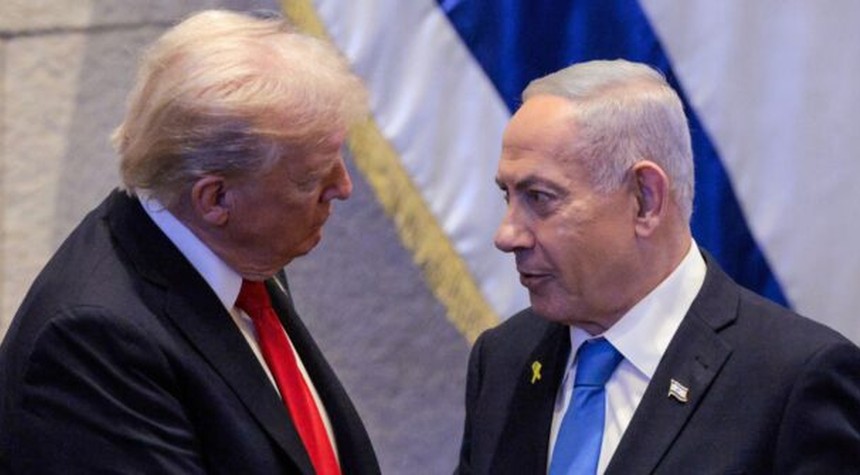
Israeli Prime Minister Benjamin Netanyahu announced Wednesday his acceptance of President Donald Trump’s invitation to join an ambitious new international initiative known as the Board of Peace, a decision that may complicate his standing with coalition partners at home while signaling Israel’s commitment to American diplomatic leadership.
The Israeli Prime Minister’s Office confirmed the decision through an official statement, making Israel the latest nation to formally join the proposed board alongside the United Arab Emirates, Hungary, Morocco, and Paraguay. The development represents a significant diplomatic alignment as the Trump administration seeks to establish what appears to be an unprecedented framework for international conflict resolution.
The Board of Peace began as a more modest proposal focused on overseeing reconstruction efforts in Gaza. However, the initiative has evolved considerably in scope and ambition. President Trump has extended invitations to dozens of nations, positioning the board as a mechanism capable of addressing global conflicts far beyond the immediate Middle Eastern theater.
The structure of this proposed board includes notable financial considerations. Member nations would serve three-year terms, with the option to secure permanent seats through a one billion dollar contribution. This arrangement suggests an approach that combines diplomatic influence with substantial financial commitment, a model that departs from traditional international organizations.
Netanyahu’s acceptance carries domestic political implications. Israeli Finance Minister Bezalel Smotrich, a key coalition partner, has expressed reservations about the board’s proposed role in Gaza reconstruction. The Prime Minister’s Office had previously stated that the composition of any Gaza executive committee had not been coordinated with the Israeli government and contradicted its established policy, though specific objections remained unclear at that time.
This shift in position represents what observers characterize as a significant departure from Israel’s earlier stance. The calculation appears to involve weighing the benefits of close alignment with the Trump administration against potential friction within Netanyahu’s governing coalition.
The international response to Trump’s initiative has been measured. Turkey’s President Tayyip Erdogan is expected to announce his decision shortly. Russia, through Deputy Foreign Minister Sergey Vershinin, indicated the proposal would receive detailed consideration, a diplomatic formulation that suggests neither acceptance nor rejection is imminent.
Among those who have embraced the invitation, the enthusiasm has been notable. Argentine President Javier Milei described the opportunity as an honor, emphasizing that Argentina would stand with nations confronting terrorism and defending freedom. Paraguay’s Foreign Minister Rubén Ramírez Lezcano characterized the invitation as excellent for his country’s interests and confirmed ongoing discussions with the State Department to clarify operational details.
The Board of Peace represents an unconventional approach to international diplomacy. Whether this initiative will achieve its stated objectives of conflict resolution and peacekeeping remains to be seen. What is clear is that the Trump administration has succeeded in attracting participation from a diverse coalition of nations, each calculating that membership serves their strategic interests.
For Netanyahu, the decision reflects the complex balance of international and domestic considerations that have long characterized Israeli diplomacy. The coming weeks will reveal whether this gamble strengthens or strains his political position at home, even as it reinforces the close relationship between Jerusalem and Washington.
Related: Young Australian Boy Fights for Life After Sydney Harbor Shark Attack