
Israeli Prime Minister Benjamin Netanyahu announced Sunday that his nation’s military forces will expand ground operations in southern Lebanon, a decision that carries significant implications for regional stability and the already dire humanitarian situation along Israel’s northern border.
Speaking at a news conference in Jerusalem, Netanyahu stated that the expansion of what he termed Israel’s “security belt” serves a dual purpose: to prevent potential invasion threats and to push anti-tank missile positions beyond range of Israeli territory. The prime minister’s announcement represents a marked escalation in operations that have already displaced more than one million Lebanese civilians.
The conflict in southern Lebanon began following Iran-backed Hezbollah’s decision to launch attacks against Israel in response to Israeli military operations against Iran, which commenced February 28 in coordination with American forces. Since March 2, the human cost has mounted considerably. Lebanese casualties now exceed 1,200 killed and 3,400 wounded. Israeli losses stand at nineteen dead.
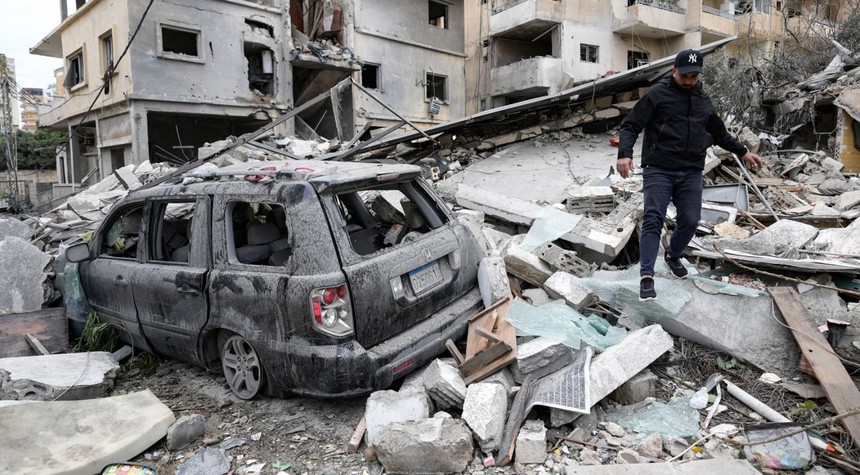
The scope of Israel’s military operations has drawn comparisons to its prolonged campaign in Gaza, raising concerns among international observers and humanitarian organizations. Recent weeks have witnessed systematic destruction of infrastructure throughout southern Lebanon. Israeli forces have demolished bridges, razed residential structures, and established multiple military installations across the occupied territory. Satellite imagery confirms the extensive nature of the devastation.
Defense Minister Israel Katz recently outlined plans for a permanent “security zone” in southern Lebanon, including Israeli control of strategic river crossings. Such measures would effectively render hundreds of thousands of Lebanese citizens indefinitely displaced from their homes and communities.
The humanitarian toll continues to mount. International relief organizations have documented the wholesale destruction of entire residential neighborhoods and have issued urgent warnings about the crisis facing civilian populations. The scale of displacement rivals some of the worst humanitarian disasters in recent Middle Eastern history.
United Nations Secretary-General António Guterres has called for immediate cessation of hostilities from both parties. In particularly pointed remarks, Guterres warned that “the Gaza model must not be replicated in Lebanon,” referencing the protracted nature and devastating consequences of Israel’s operations in that territory.
The expansion of Israeli ground operations raises fundamental questions about the long-term objectives of this military campaign. Netanyahu’s government maintains that these actions are necessary defensive measures to protect Israeli citizens from cross-border attacks. Critics argue that the scale of destruction and displacement suggests objectives beyond immediate security concerns.
The international community now faces difficult choices regarding its response to this escalating conflict. The involvement of American forces in the initial operations against Iran complicates diplomatic efforts, as does the broader regional dynamic involving Iranian-backed militias and proxy forces.
As Israeli forces prepare to widen their operational theater in southern Lebanon, the world watches to see whether diplomatic pressure can prevent further escalation or whether this conflict will settle into a prolonged occupation similar to previous Israeli military engagements in the region.
The coming weeks will prove critical in determining whether this remains a limited security operation or transforms into something far more extensive and costly in human terms.
Related: Iran Issues Ultimatum Over University Strikes as Regional Tensions Mount