
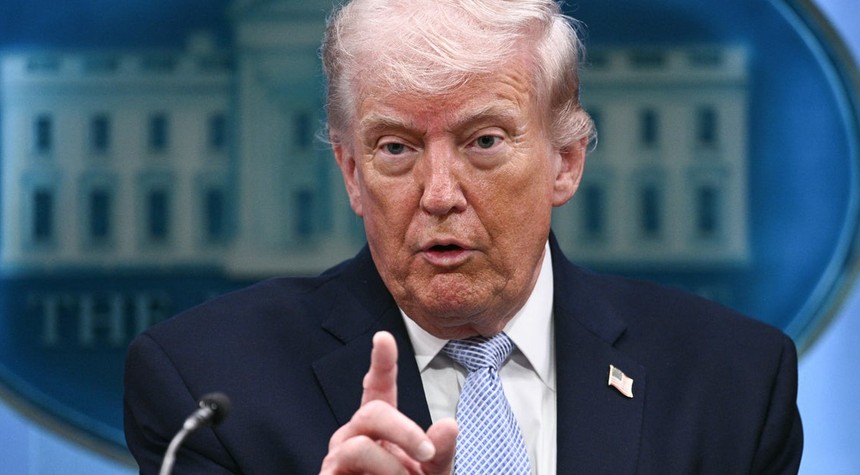
President Trump announced Tuesday that the United States has agreed to a temporary ceasefire with Iran, bringing a pause to hostilities that began less than two weeks ago with coordinated American and Israeli strikes across the Islamic Republic.
The agreement, reached with less than two hours remaining before a presidential deadline for Iran to negotiate or face expanded military action against its energy infrastructure, calls for a two-week suspension of military operations by both nations. The President stated that American forces have already achieved their military objectives in the brief but intense conflict.
The ceasefire came at Pakistan’s request and carries specific conditions. Iran must ensure the complete, immediate, and safe reopening of the Strait of Hormuz, the vital waterway through which approximately one-fifth of the world’s oil supply normally passes. Iranian Foreign Minister Seyed Abbas Araghchi confirmed his nation’s commitment to halt what he termed “defensive operations” against American allies in the region, while Iran’s armed forces will coordinate safe passage through the strategic strait.
The joint American-Israeli military campaign began on February 28, with thousands of targets struck across Iran. Tehran responded with drone and missile attacks on Israel and several Gulf nations aligned with Washington. While Israel has endorsed the ceasefire arrangement, Prime Minister Benjamin Netanyahu’s office clarified late Tuesday that the agreement does not extend to ongoing operations against Hezbollah, Iran’s proxy force in Lebanon.
Global oil markets reacted immediately and dramatically to news of the ceasefire. West Texas Intermediate crude fell more than thirteen percent within an hour of the announcement, dropping below ninety-two dollars per barrel. The decline, while significant, still leaves prices substantially elevated compared to pre-conflict levels. The Strait of Hormuz’s closure during hostilities had driven oil prices to heights not witnessed in years, creating economic ripples felt worldwide.
The successful brokering of this temporary peace by Pakistan demonstrates the complex diplomatic landscape surrounding this conflict. Islamabad’s role as intermediary reflects both the regional stakes involved and the international community’s concern about escalation between two nations whose confrontation affects global energy security and economic stability.
The coming two weeks will prove critical. Both nations must honor their commitments while diplomats work to establish a more permanent framework for de-escalation. The ceasefire’s success depends heavily on Iran’s willingness to guarantee maritime security in the Strait of Hormuz and on both parties’ restraint as negotiations proceed.
For American interests, the temporary halt provides an opportunity to assess the military campaign’s effectiveness while allowing diplomatic channels to function. The stated achievement of military objectives suggests confidence in Washington that the strikes delivered their intended message regarding American resolve and capability.
The broader implications remain significant. Regional stability, global energy markets, and the delicate balance of power in the Middle East all hang in the balance as this two-week period unfolds. The world watches to see whether this pause in hostilities can evolve into lasting peace or merely represents a brief intermission before renewed conflict.
And that is the situation as it stands this evening.
Related: Israeli Airstrike Kills Lebanese Christian Official Near Beirut