
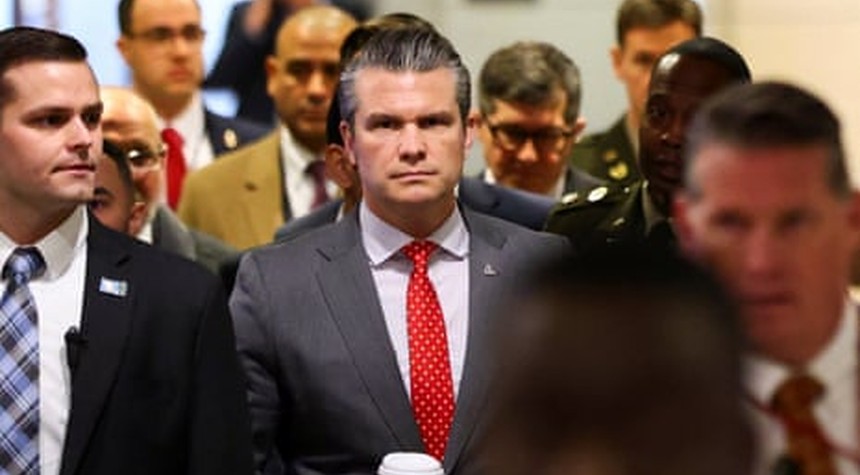
The Pentagon has determined it will not release the complete video recording of a September military strike in the Caribbean that resulted in the deaths of two individuals who were clinging to wreckage after an initial attack destroyed their vessel. Defense Secretary Pete Hegseth made this decision clear on Tuesday following a classified briefing with senators.
The strike in question occurred on September 2nd and has emerged as the most contentious aspect of the Trump administration’s expanded military operations against Venezuelan narcotics trafficking. The broader campaign has included the destruction of multiple vessels suspected of transporting illegal drugs from Venezuela to the United States, the seizure of oil tankers, and public warnings of potential additional military action against the Maduro regime.
The controversy centers on the circumstances surrounding the deaths of the two individuals. Legal scholars have raised serious questions about whether American forces may have violated international laws of armed conflict by targeting survivors of the initial strike. The distinction matters greatly under the laws of war, which provide protections for individuals who are clearly out of combat.
“In keeping with longstanding Department of Defense policy, we are not going to release a top-secret, full, unedited video of that to the general public,” Hegseth told reporters after emerging from the classified Senate briefing conducted alongside Secretary of State Marco Rubio. He indicated that a viewing would be arranged for members of the House and Senate Armed Services Committees, to be conducted by Admiral Frank Bradley, who commanded the operation.
Senate Democratic leadership expressed frustration with what they characterized as insufficient transparency. Senate Minority Leader Chuck Schumer stated that he had specifically demanded the full video be shown during the classified briefing, but that request was denied. “The administration came to this briefing empty handed,” Schumer said, questioning how Congress could trust the administration’s transparency on other Caribbean matters if it would not provide this information even in a classified setting.
The classification rationale has drawn skepticism from lawmakers who note that the administration has routinely released portions of video footage from other strikes in the region. Senator Chris Coons of Delaware pointed to this apparent inconsistency, stating it was difficult to reconcile the widespread posting of detailed strike videos with sudden classification concerns regarding this particular footage.
President Trump had initially indicated support for making the footage public but subsequently deferred the decision to his Defense Secretary. The reversal has fueled Democratic calls for greater accountability in the Caribbean operations, with some lawmakers noting their committee assignments give them jurisdiction over matters related to Venezuela and drug interdiction operations.
The legal questions surrounding the strike extend beyond the specific incident to encompass the broader campaign itself. Some legal experts have questioned whether the military operations against drug trafficking vessels constitute lawful use of force under international law, particularly when conducted in international waters without a formal declaration of war or explicit congressional authorization for such actions.
The matter now rests with whether the limited viewing Hegseth has promised to Armed Services Committee members will satisfy congressional oversight responsibilities, or whether the controversy will continue to build pressure for fuller disclosure.
Related: Bolivia Seeks American Partnership After Decades of Strained Relations