
The Pentagon is developing what military officials characterize as comprehensive operational plans for decisive action against Iran, including the potential seizure of strategic islands controlling the Strait of Hormuz, the blockade of Iranian oil exports, and operations to secure Tehran’s stockpile of highly enriched uranium.
These preparations come as the Trump administration considers deploying an additional 10,000 combat troops to the Middle East should diplomatic efforts fail and Iran continue restricting passage through one of the world’s most vital shipping corridors.
The military planning reflects the administration’s determination to maintain what it views as non-negotiable principles: freedom of navigation through international waters and the prevention of Iranian nuclear weapons capability. The Strait of Hormuz, through which nearly one-fifth of global oil supplies pass, has become the focal point of escalating tensions between Washington and Tehran.
Among the options under serious consideration are operations targeting Kharg Island, which handles approximately 90 percent of Iran’s crude oil exports. Military planners have drafted scenarios for either seizing the island or conducting strikes to disable its oil infrastructure. Some administration officials believe such action could severely constrain the financial resources available to Iran’s Islamic Revolutionary Guard Corps, which the United States designates as a foreign terrorist organization.
Additional targets include Larak Island, which Iranian forces use to monitor and threaten maritime traffic through the strait, and the islands of Abu Musa, Greater Tunb, and Lesser Tunb. These Iranian-controlled outposts near the western entrance to the waterway are equipped with missile batteries, drone facilities, and mine-laying capabilities that pose direct threats to commercial shipping.
Perhaps most significantly, U.S. military planners have prepared options for ground operations inside Iran itself, aimed at securing the regime’s stockpile of highly enriched uranium. Alternative plans call for large-scale strikes designed to neutralize Iran’s nuclear capabilities without requiring American forces to operate on Iranian soil.
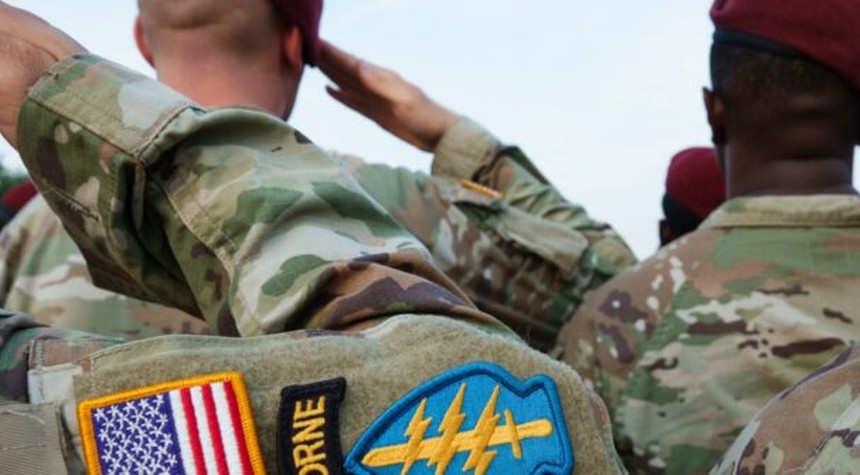
The potential troop deployment would include infantry and armored units, supplementing Marine expeditionary units and elements of the 82nd Airborne Division already moving into the region. One Marine expeditionary unit is currently aboard the USS Tripoli, while an infantry brigade from the 82nd Airborne has already been positioned in theater.
This military buildup occurs against the backdrop of continued diplomatic outreach from President Trump to Iranian leadership. The administration maintains that military action remains contingent upon the failure of negotiations and continued Iranian interference with international shipping.
The strategic calculations underlying these preparations are straightforward. The Strait of Hormuz represents a chokepoint through which the global economy’s energy supplies must flow. Iranian attempts to restrict or threaten that passage challenge not merely American interests but the international order that has governed maritime commerce since the Second World War.
The nuclear dimension adds urgency to American planning. Intelligence assessments regarding Iran’s enrichment activities and stockpiles of weapons-grade material have convinced administration officials that the window for preventing an Iranian nuclear weapon may be closing.
Whether these military options will be executed remains uncertain. The administration continues to express hope that diplomatic pressure, combined with the credible threat of overwhelming force, will compel Tehran to negotiate in good faith. Yet the very existence of detailed operational plans signals that the United States is prepared to act should Iran miscalculate American resolve.
The coming weeks will likely prove decisive in determining whether this crisis can be resolved through negotiation or whether the Middle East faces another major military confrontation.
Related: Moscow Accused of Sharing Intelligence That Led to American Casualties