
Poland’s airspace was violated by Russian drones, prompting a swift response from NATO allies and raising concerns about potential escalation in the region.
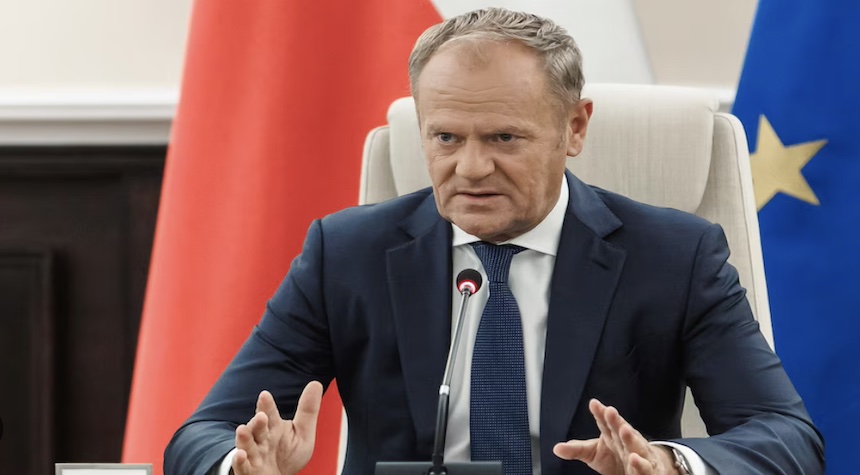
Polish Prime Minister Donald Tusk has announced plans to accelerate military modernization following the incursion. This development follows earlier reports that Russian drones crossed into Polish territory during a wave of attacks on neighboring Ukraine. European officials have characterized the incident as a deliberate provocation, forcing NATO to confront a potential threat in its airspace for the first time since the conflict began.
The Polish Air Navigation Agency has implemented air traffic restrictions in eastern Poland at the request of the military, citing national security concerns. Simultaneously, Poland is set to close its border with Belarus, where joint Russian-Belarusian military exercises are scheduled to commence.
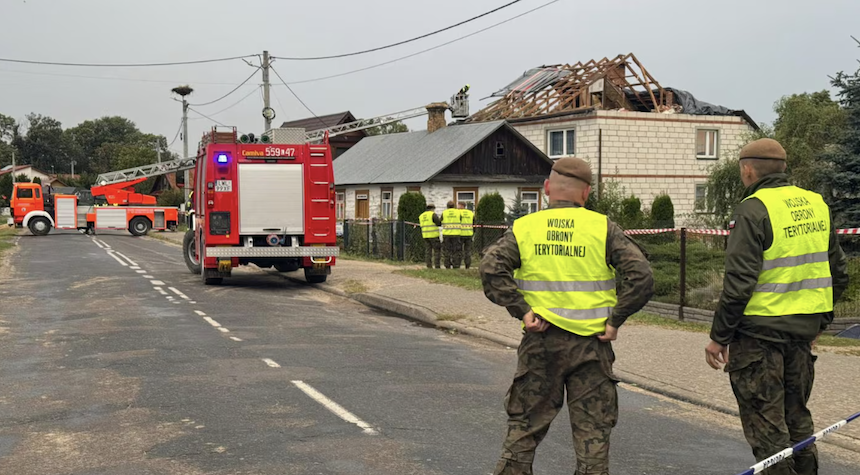
This incident has intensified longstanding fears that the three-year war between Russia and Ukraine could precipitate a wider conflict. U.S.-led diplomatic efforts to broker peace have thus far yielded little progress.
Prime Minister Tusk, addressing troops at an air base in Lask, praised the rapid response of Polish and Dutch forces to the drone incursions. He also confirmed that Poland expects to receive its first F-35 fighter jets from the United States next year, part of a larger acquisition of 32 aircraft by 2030.
Also Check Out: Desperation at Sea: Passenger Jumps Overboard in Puerto Rico to Escape $16,000 Gambling Debt
Several European leaders have interpreted the incursion as an intentional expansion of Russia’s aggression. Kaja Kallas, the European Union’s foreign policy chief, stated, “Russia’s war is escalating, not ending,” and called for stronger sanctions against Moscow.
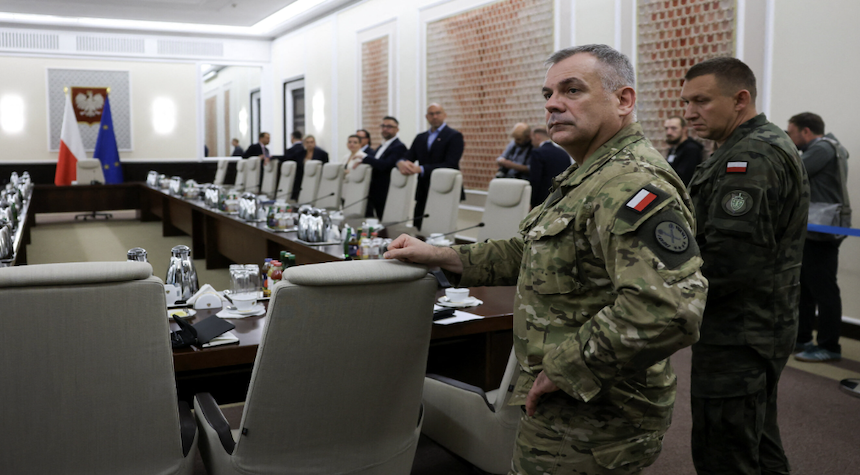
The European Council on Foreign Relations, a prominent think tank, suggests that this incident may be a test of Europe’s resolve as it grapples with the Russian threat while facing pressure from the United States to increase its financial commitment to defense.
While Polish airspace has been violated before, the scale of this incursion is unprecedented for NATO territory. Meanwhile, in Ukraine, drone attacks on civilian areas continue, with the Ukrainian military reporting successful interceptions of the majority of Russian drones overnight.
The situation raises important questions about NATO’s preparedness and the potential for further escalation in the region. As events continue to unfold, the world watches closely to see how this latest development will shape the ongoing conflict and international relations.