
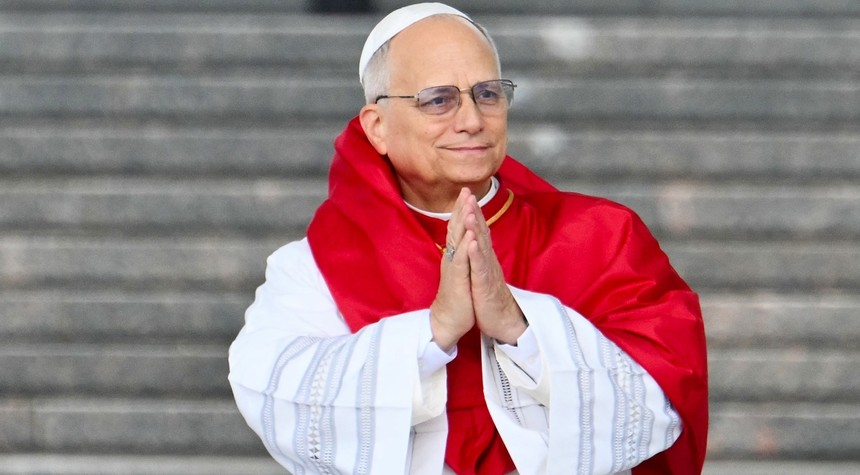
The first American pope in the two-thousand-year history of the Catholic Church has made clear he will not be intimidated by criticism from the White House, setting the stage for what may become one of the more unusual diplomatic tensions in recent memory.
Pope Leo XIV, speaking to reporters aboard the papal aircraft en route to Algeria on Monday, responded directly to sharp criticism leveled at him by President Donald Trump. The pontiff’s remarks were measured but unambiguous.
“I have no fear of the Trump administration, nor speaking out loudly about the message of the Gospel,” Leo XIV stated as he embarked on a pastoral visit spanning four African nations. “That’s what I believe in. I am called to do what the church is called to do.”
The exchange represents an escalation in what has been growing friction between the Vatican and Washington. The conflict centers on the pope’s recent calls for peace amid the ongoing U.S.-Israeli military operations against Iran.
During a peace vigil Saturday evening at St. Peter’s Basilica in Vatican City, the pontiff issued a broad appeal for an end to armed conflict. While he did not explicitly reference the Iranian theater of operations, the context was unmistakable. “Enough of war,” the pope declared before thousands of faithful gathered in the basilica.
The pontiff went further, suggesting that what he termed a “delusion of omnipotence” was driving the continued military engagement. He urged the leadership of the nations involved to pursue diplomatic resolution rather than continued military action.
President Trump’s response came swiftly. Taking to social media Sunday evening, the president characterized the pope as “WEAK on Crime, and terrible for Foreign Policy,” employing the capitalization style that has become characteristic of his communications.
The criticism of an American pope by an American president presents a unique moment in the relationship between the United States and the Holy See. Pope Leo XIV, born in Chicago, made history when he was elevated to the papacy in May, becoming the first pontiff from the United States. His election was seen by many as recognition of the Catholic Church’s significant American membership and the nation’s global influence.
However, his tenure has already demonstrated that national origin will not constrain his willingness to challenge American policy when he believes it conflicts with church teaching on peace and human dignity.
The diplomatic implications remain uncertain. The United States maintains formal relations with the Vatican, and the Holy See has historically played a role in international mediation efforts. Whether this public disagreement will affect those channels remains to be seen.
As the pope continues his African journey, which will include visits to communities facing their own conflicts and humanitarian challenges, his willingness to speak forthrightly about matters of war and peace appears undiminished by pressure from Washington.
The question now is whether this represents an isolated exchange or the beginning of a more sustained period of tension between two institutions that have, throughout much of American history, found ways to coexist despite occasional disagreements.
Related: Trump Administration Backs Orban in High-Stakes Hungarian Election