
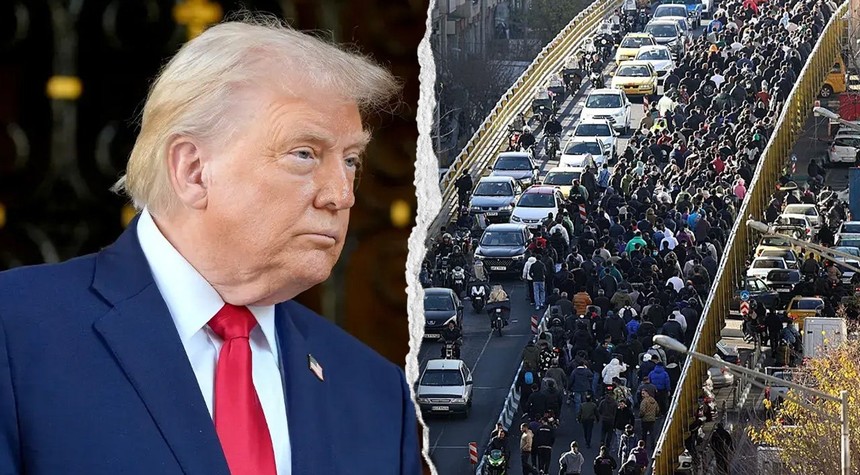
The United States finds itself at a critical juncture as President Donald Trump weighs military action against Iran, a decision that carries implications far beyond the immediate theater of operations. According to defense analysts, such strikes would illuminate fundamental weaknesses in the strategic partnerships offered by Russia and China to nations seeking alternatives to American influence.
The recent events in Venezuela provide instructive context. When American forces moved decisively on January 3rd to dismantle Nicolás Maduro’s regime, neither Moscow nor Beijing intervened to protect their South American ally. This conspicuous absence speaks volumes about the practical limitations of partnerships with these powers, despite their aggressive diplomatic and economic outreach across Africa, Latin America, and beyond.
Craig Singleton, a senior China fellow for the Foundation for Defense of Democracies, offered a sobering assessment of how Beijing would likely interpret American military action in Iran. While Chinese officials would predictably issue condemnations and appeals for restraint, the underlying message would prove deeply uncomfortable for the Communist Party leadership. The demonstration of American capability to project force across multiple theaters simultaneously within a matter of weeks would validate what Chinese strategists have long understood but perhaps hoped was no longer true: that American military supremacy remains unchallenged.
The strategic calculus is straightforward. Venezuela demonstrated American resolve and capability on a regional scale. Iran would underscore these realities on a global stage. For nations that have aligned themselves with Beijing or Moscow in hopes of securing genuine security partnerships, the lesson would be unmistakable. When confronted with determined American action, these alternative arrangements offer little substantive protection.
Mark Cancian, a senior advisor with the Center for Strategic and International Studies’ defense and security department, reinforced this assessment. Countries like Iran and Venezuela, having cultivated close relationships with Russia and China, now face the uncomfortable recognition that these partnerships may prove hollow when tested against American military action.
The broader implications extend to how power is exercised in the international system. Chinese officials may publicly brand Washington as reckless, but privately, such demonstrations reinforce fundamental assessments within China’s strategic community. America’s willingness to employ military force when circumstances warrant, combined with its unmatched capability to do so across vast distances and multiple regions, commands professional respect even as it generates anxiety among potential adversaries.
Two complex military operations conducted in separate regions within a fortnight would send an unmistakable signal. It would demonstrate not merely capability, but resolve and the capacity to manage risk across multiple contingencies simultaneously. This represents a form of power projection that neither Russia nor China can currently match, despite their considerable investments in military modernization.
The question now before President Trump involves not only the immediate objectives regarding Iran, but the broader message such action would send to allies and adversaries alike about American power and American willingness to employ that power in defense of its interests. The answer to that question will reverberate far beyond Tehran.
Related: Iran Watchdog Group Condemns Davos Decision to Platform Tehran Official After Mass Killings