
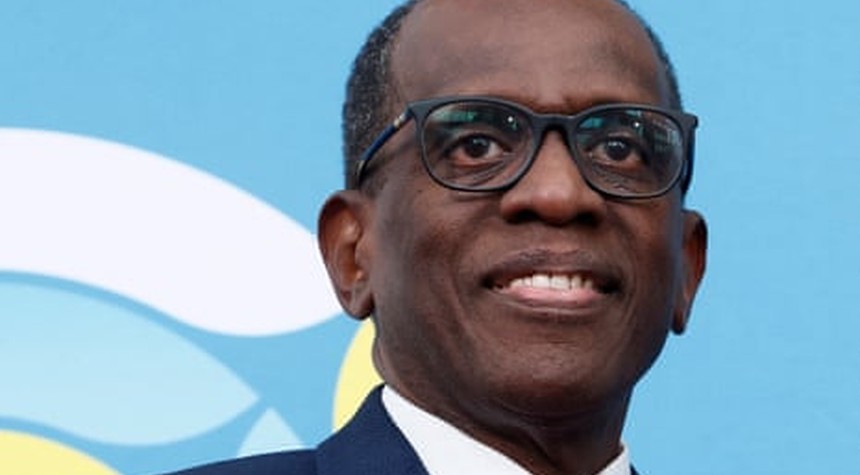
St Lucia’s governing Labour Party has secured its legislative majority in parliamentary elections that concluded this week, positioning Prime Minister Philip Pierre for another term leading the Eastern Caribbean nation of 180,000 citizens.
Official results released Tuesday show the social democratic Saint Lucia Labour Party capturing at least 13 seats in the 17-member House of Assembly, matching its current parliamentary strength with two constituencies yet to be determined. Pierre commanded 57.1 percent of the popular vote against 37.3 percent for his conservative challenger, former Prime Minister Allen Chastanet.
The election centered on three critical issues facing this small island nation: economic stewardship, rising violent crime, and the controversial citizenship-by-investment program that has become a significant revenue source for several Eastern Caribbean states.
Prime Minister Pierre campaigned on a platform of stability and prudent fiscal management, emphasizing his government’s economic record during uncertain global times. His approach resonated with voters who appeared to favor continuity over change in Tuesday’s decisive outcome.
Chastanet’s conservative United Workers Party, which held merely two seats entering Monday’s vote, had secured only one seat as of late Monday evening. The opposition leader mounted his challenge on security concerns, arguing that violent crime has escalated under Pierre’s administration. Chastanet attributed part of this deterioration to diminished American support for local law enforcement, restricted under the United States Leahy Law due to past human rights violations by St Lucian police forces.
The citizenship-by-investment program emerged as a contentious campaign issue. These programs, which grant citizenship to foreign nationals who make substantial financial investments, provide crucial tax revenue for several small Eastern Caribbean nations. However, the policy has generated friction with Washington, which has expressed concern that such programs could be exploited by what American officials term “nefarious actors” from nations including China and Iran.
Chastanet called for enhanced transparency and more rigorous auditing of St Lucia’s citizenship program, seeking to address both domestic accountability concerns and American objections.
The timing of this election carries particular significance as the United States government announced its own expedited immigration program for wealthy individuals earlier this year. Washington’s proposed “gold card” visa program would accelerate the immigration process for high-net-worth applicants, a move some observers interpret as competitive pressure on Caribbean citizenship programs.
The election results suggest St Lucian voters prioritized economic stability and governmental continuity over opposition promises of security reforms and program restructuring. Pierre’s commanding popular vote margin indicates broad public confidence in his administration’s direction, despite legitimate concerns about crime and international pressure regarding the citizenship program.
As Pierre prepares for his next term, he faces the challenge of addressing security concerns while maintaining the economic benefits of the citizenship program, all while navigating the complex relationship with the United States that remains vital to St Lucia’s interests.
The final two parliamentary seats will determine whether Labour’s majority grows beyond its current strength, but the election’s outcome is no longer in doubt.
Related: United States Escalates Pressure on Venezuela Over Narcotics Flow