
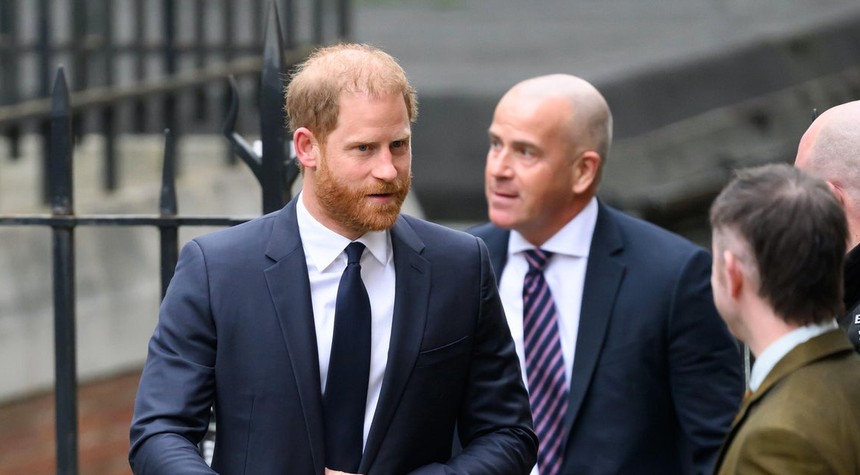
Prince Harry appeared in London’s highest court on Monday to pursue the final chapter of his legal campaign against Britain’s tabloid press, a battle that has consumed much of his attention since relocating to California.
The Duke of Sussex joins a notable group of claimants including Sir Elton John and actresses Elizabeth Hurley and Sadie Frost in accusing Associated Newspapers of systematic unlawful information gathering. The publishing group, which operates the Daily Mail and its digital platform MailOnline, stands accused of deploying private investigators to hack phones, plant listening devices in vehicles, and breach private records in pursuit of exclusive stories.
Associated Newspapers has categorically denied these allegations, characterizing them as preposterous smears orchestrated by individuals harboring personal animosity toward the press. The publisher maintains that the claims represent a coordinated attack lacking factual foundation.
In witness testimony, the 41-year-old prince described a pervasive sense of violation that extended beyond mere invasion of privacy. Harry stated that the surveillance created a disturbing reality where his movements, thoughts, and emotions appeared to be continuously monitored for commercial exploitation. The prince characterized this intrusion as terrifying, claiming it generated extreme paranoia and profound isolation.
The case centers on 14 separate newspaper articles that Harry contends resulted from illegal information gathering activities. This legal action represents the culmination of three distinct cases the Duke has brought against British tabloid publishers, marking a sustained effort to hold the press accountable for alleged misconduct.
The presence of multiple high-profile figures in this lawsuit underscores broader concerns about press practices in Britain during a period when aggressive tabloid journalism flourished. These allegations echo previous scandals that have rocked the British media establishment, including the phone hacking controversy that led to the closure of the News of the World in 2011.
For Prince Harry, this legal battle carries particular significance beyond the immediate allegations. The prince has repeatedly expressed his belief that invasive press coverage contributed to the difficulties faced by his late mother, Princess Diana, and has made reforming media practices a central element of his public advocacy since stepping back from royal duties.
The proceedings in London’s High Court will determine whether Associated Newspapers engaged in the systematic unlawful practices alleged by the claimants. The outcome could have substantial implications for press accountability in Britain and may influence ongoing debates about privacy rights in an era of aggressive digital journalism.
As this final case proceeds, it represents not merely a legal dispute between celebrities and a publishing house, but a broader examination of the boundaries between press freedom and individual privacy rights. The court’s eventual ruling will be watched closely by media organizations and privacy advocates alike, potentially establishing precedents that shape journalistic practices for years to come.
The Duke of Sussex’s persistent pursuit of these cases, despite residing thousands of miles away in California, demonstrates his determination to confront what he perceives as longstanding abuses by elements of the British press.
Related: Young Australian Boy Fights for Life After Sydney Harbor Shark Attack