
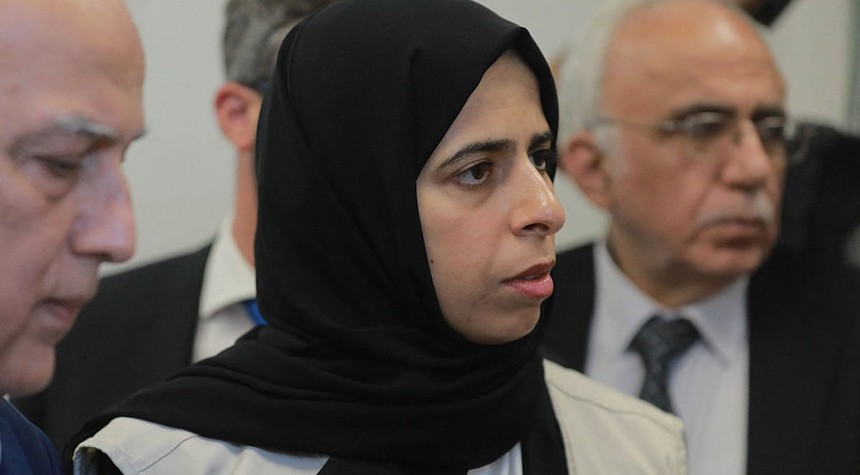
The Minister of Education for the State of Qatar delivered a pointed message to Western nations on International Women’s Day, rejecting what she characterized as unwanted interference in the affairs of Muslim women.
Lolwah bint Rashid Al Khater, who also serves in diplomatic capacities for the Gulf emirate, used the occasion of the international observance to demand that Western powers cease speaking on behalf of women in the Islamic world. In statements posted to social media, the minister insisted that Muslim and Arab women neither need nor desire the brand of liberation being promoted from abroad.
“Stop talking on our behalf,” Al Khater wrote, asserting that the Islamic world is managing its affairs adequately without external guidance. She characterized Western concern for women’s rights in her region as a “Hollywood-style” savior complex driven by what she termed “sick destructive agendas.”
The minister’s remarks extended beyond a simple rejection of criticism. She leveled serious counteraccusations against Western nations, claiming they have initiated military conflicts for financial gain and engaged in the exploitation of children. These allegations, presented without supporting evidence, represent a familiar pattern in international discourse where nations facing scrutiny for human rights practices respond by attacking the credibility of their critics.
Qatar’s record on women’s rights presents a complex picture that warrants examination. The nation operates under a male guardianship system that requires women to obtain permission from male relatives for significant life decisions. Employment opportunities remain restricted, and legal protections against domestic violence are notably limited compared to Western standards.
The timing of Al Khater’s statement carries particular significance. Qatar has worked to improve its international standing in recent years, particularly following its hosting of the World Cup. The nation has invested substantially in public relations efforts while simultaneously maintaining social structures that restrict personal freedoms, particularly for women and foreign workers.
This episode reflects a broader tension in international relations between respect for cultural sovereignty and the promotion of universal human rights standards. Western nations have long grappled with the question of when criticism of other nations’ practices crosses from legitimate concern into cultural imperialism.
However, the substance of Al Khater’s defense merits scrutiny. When government officials claim that criticism itself represents the primary problem rather than addressing the underlying conditions being criticized, observers must consider what that deflection reveals. The authoritarian playbook frequently includes dismissing legitimate concerns as foreign interference while offering inflammatory countercharges designed to shift attention elsewhere.
The women of Qatar, like women everywhere, deserve to have their voices heard and their rights protected. Whether those protections should conform to Western models or develop along different cultural lines remains a subject of legitimate debate. What cannot be reasonably disputed is that any nation claiming to treat its women fairly should be willing to demonstrate that claim through transparent practices rather than through defensive rhetoric alone.
And that is the way it is.
Related: British Opposition Chief Warns of Diplomatic Crisis as Starmer Resists Backing US Operations