
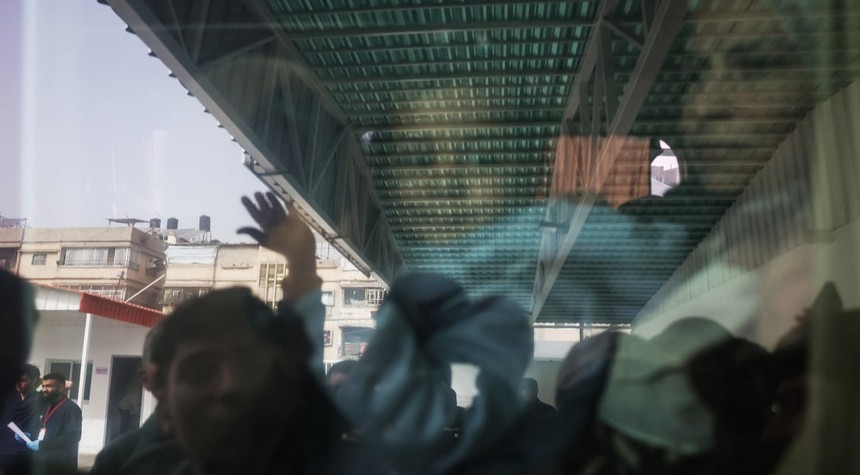
The Rafah border crossing between the Gaza Strip and Egypt reopened on a limited basis Monday morning, marking the first significant development in the implementation of the ceasefire agreement between Israel and Hamas.
Israeli military agency COGAT confirmed the crossing became operational at 2 a.m. Eastern Time, allowing controlled movement of civilians in and out of the Palestinian territory for the first time in months. The reopening focuses primarily on humanitarian cases, particularly Palestinians requiring medical treatment unavailable within Gaza.
COGAT spokesperson Shimi Zuaretz confirmed the operational status of the crossing but could not provide immediate figures on the number of individuals who had passed through in the initial hours. Israeli authorities made clear Sunday that the reopening would be restricted to the movement of people only, with all crossings subject to Israeli security clearance procedures.
The European Union has deployed border officers to assist with operations at Rafah, continuing their role from previous periods when the crossing functioned under international supervision. Shadi Othman, media officer at the European Union Office in Jerusalem, indicated that Monday’s operations would facilitate the departure of dozens of patients from Gaza while allowing a similar number of individuals to enter from Egypt.
“This is today’s plan,” Othman stated. “We will wait until the end of the day to see what will happen and to know the final number of those who depart and those who enter.”
The Rafah crossing, located in Gaza’s southernmost city, has remained almost entirely sealed since May of last year. Its closure left the coastal enclave’s population of more than two million people with severely limited options for movement, creating particular hardship for those requiring specialized medical care unavailable within the territory.
The partial reopening represents a measured step in implementing the ceasefire terms, though questions remain about the long-term status of border operations and the extent to which normal civilian movement will be restored. Israeli security concerns continue to shape the parameters of access, with clearance procedures remaining a prerequisite for all crossings.
The involvement of European Union personnel suggests an effort to establish international oversight of border operations, potentially addressing Israeli security requirements while facilitating humanitarian access. This arrangement mirrors previous frameworks that governed Rafah operations before the crossing’s extended closure.
The situation bears watching as both parties to the ceasefire navigate the practical challenges of implementing their agreement. The success or failure of these initial reopening efforts may well determine whether broader normalization of border access becomes possible in the weeks ahead.
For now, the focus remains on immediate humanitarian needs, with medical evacuations taking priority in the limited number of crossings permitted. Whether this represents the beginning of a gradual expansion of access or merely a temporary accommodation remains to be seen.
The international community will be observing closely how these arrangements develop, as border access remains central to any sustainable resolution of the broader conflict.
Related: Trump Warns Britain Against China Trade Ties as Starmer Pursues Economic Reset in Beijing