
The world has received disturbing glimpses into what appears to be a severe government crackdown in Iran, where protests over economic conditions have been met with what witnesses describe as lethal force on an unprecedented scale.
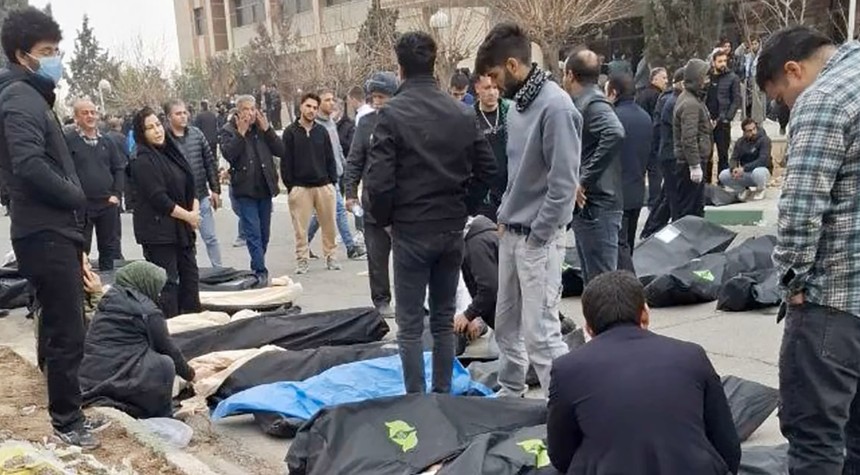
Video evidence that has emerged from the Islamic Republic shows a grim scene at a forensics center near Tehran, where more than two hundred bodies have reportedly been stored in makeshift morgue facilities. The footage, which has been verified through geolocation analysis, captures rows of casualties in what one witness filming the scene described as “horrifying” and “apocalyptic.”
The unrest began when Iran’s currency collapsed against the U.S. dollar, triggering widespread protests across multiple cities as citizens faced soaring inflation and economic hardship. The Iranian regime’s response was swift and severe. Authorities cut internet access and severely restricted telephone communications throughout the country, effectively isolating Iran from international observation.
What limited video evidence has managed to reach the outside world paints a troubling picture of the methods employed by Iranian security forces. Footage from Tehran shows what appears to be indiscriminate firing of automatic weapons into crowds of protesters. In one video, a helmeted figure can be seen firing a machine gun at civilians approximately thirty yards distant across a public square. In another, sustained automatic gunfire lasting fifteen seconds can be heard as protesters chant “Death to Khamenei,” referring to Supreme Leader Ayatollah Ali Khamenei, the nation’s highest authority.
The videos also show security forces dragging what appears to be a body or injured person into a police station following the gunfire. Riot police on motorcycles are visible arriving at the scene in the aftermath.
The Kahrizak Forensic Medical Center, located approximately five miles south of Tehran’s southern suburbs, has become a focal point of international concern. Multiple videos from this facility show what witnesses describe as overwhelming numbers of casualties being processed through the makeshift morgue.
According to the Human Rights Activists News Agency, a U.S.-based organization, at least 2,500 people have been killed in the crackdown. Iranian authorities have not released an official death toll, and the communication blackout has made independent verification exceedingly difficult. Prior to the internet shutdown, most estimates placed the number of protesters killed at approximately forty. However, rights groups and activists suggest the violence intensified dramatically in the days following the blackout.
The protests have spread across the nation, with clashes reported from Urmia in the northwest to Isfahan in the country’s heartland, indicating the widespread nature of the discontent.
This level of violent suppression has not been witnessed in Iran for decades, according to observers familiar with the country’s history of managing civil unrest. The combination of economic desperation, government force, and information blackout presents a troubling scenario that the international community has limited ability to monitor or influence.
As Iran remains largely isolated from global communications networks, the full scope of this crisis remains unclear. What is certain is that the Iranian people face both economic catastrophe and what appears to be lethal government response to their expressions of discontent.
Related: U.S. Military Seizes Sixth Venezuelan Oil Tanker in Caribbean Enforcement Campaign