

Nicolas Sarkozy, the former President of France, has been sentenced to five years in prison by a Paris criminal court. This unprecedented ruling marks the first time in modern French history that a former head of state faces incarceration for crimes committed while in office.
Let’s examine the details. The court found Mr. Sarkozy guilty of criminal conspiracy in a scheme allegedly involving the late Libyan dictator Moamer Kadhafi. According to the prosecution, this plan was designed to illegally fund Sarkozy’s successful 2007 presidential campaign. It’s important to note that while convicted on conspiracy charges, Sarkozy was acquitted of corruption and personally accepting illegal campaign financing.
This verdict raises important questions about the accountability of high-ranking officials and the integrity of France’s democratic processes. The court has ordered Sarkozy to be placed in custody at a later date, with prosecutors set to inform him on October 13th when he should report to prison.
Sarkozy has vehemently denied all charges and immediately announced his intention to appeal. His lawyer, Christophe Ingrain, has confirmed that an appeal has been filed. The former president, visibly shaken after the verdict, told reporters, “This injustice is a scandal,” maintaining his innocence.
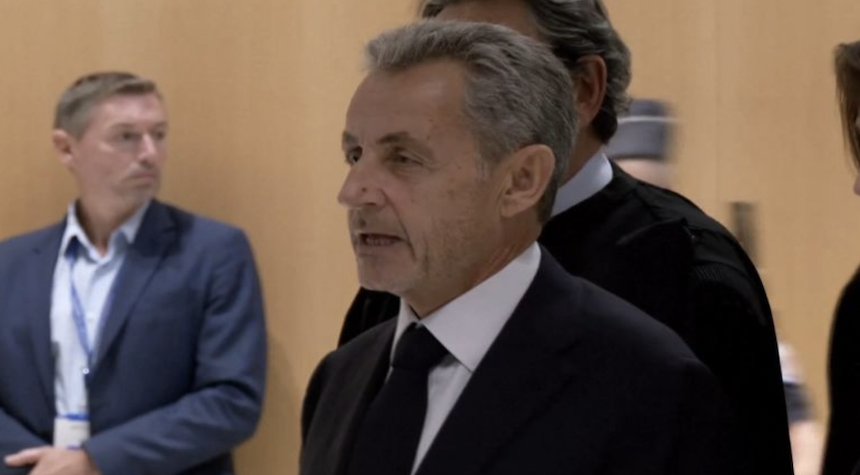
This case has sent shockwaves through France’s political establishment. Interior Minister Bruno Retailleau, who leads Sarkozy’s right-wing Republicans party, has expressed “full support and friendship” for the former president. This reaction underscores the political divisions that continue to surround this case.
The evidence suggests a complex web of allegations involving multiple defendants. Alexandre Djouhri, accused of being an intermediary in the scheme, received a six-year sentence. Claude Gueant, Sarkozy’s former right-hand man, and ex-minister Brice Hortefeux were also convicted, receiving sentences of six and two years respectively.
As this legal drama unfolds, many questions remain unanswered. The death of key accuser Ziad Takieddine in Beirut just days before the verdict adds another layer of complexity to an already intricate case. The significance of this should not be overlooked, as Takieddine’s conflicting statements have been central to the prosecution’s narrative.