
Gulf state leaders convened in a Riyadh hotel this week to address the expanding Middle East conflict when Iranian strikes illuminated the night sky outside their meeting venue. The timing was no coincidence, according to Saudi Arabia’s top diplomat.
“The attack was timed to coincide with this meeting,” Saudi Foreign Minister Prince Faisal bin Farhan Al Saud stated in an interview. “To intimidate those present. To send home the message that Iran will not stop.”
As the war enters its third week, Persian Gulf states find themselves increasingly targeted by retaliatory strikes from Tehran, caught between the military operations initiated by the United States and Israel. President Donald Trump has provided varying explanations and timelines for the campaign, leaving regional partners to navigate an uncertain strategic landscape.
The Wednesday gathering in Saudi Arabia brought together representatives from eleven nations: Bahrain, Egypt, Jordan, Kuwait, Lebanon, Pakistan, Qatar, Azerbaijan, Syria, Turkey, and the United Arab Emirates. Prince Faisal delivered a pointed message about the deteriorating security situation.
“I think it’s important for the Iranians to understand that the kingdom, but also its partners who have been attacked and beyond, have very significant capabilities and capabilities that they could bring to bear should they choose to do so,” the foreign minister said. He emphasized that trust between Iran and its neighbors has been fundamentally damaged, and warned that the possibility of neighboring nations joining the conflict should not be dismissed.
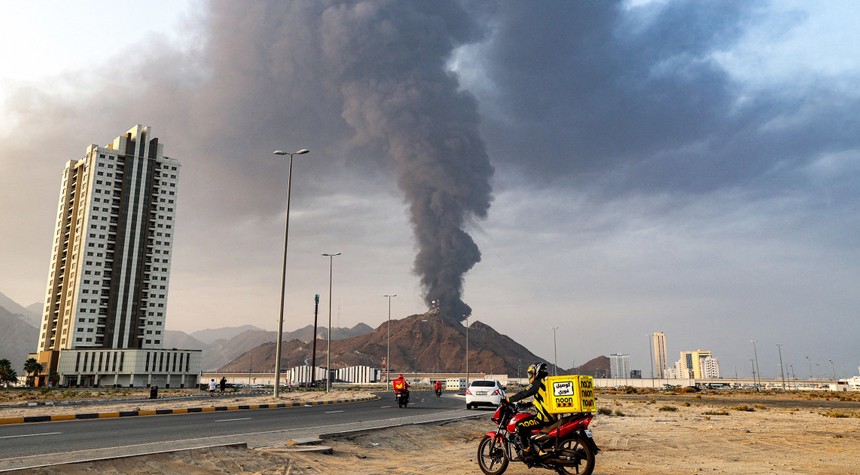
The current escalation stems from Israeli strikes on Iran’s South Pars gas field, the nation’s largest energy facility. Tehran responded with attacks against critical energy infrastructure across Gulf Arab states. The resulting scenes of burning oil facilities and thick smoke columns across the Middle East early Thursday marked a dangerous new phase in the conflict, with potentially severe implications for the global economy.
Iranian Foreign Minister Abbas Araghchi took to social media to characterize his nation’s response as measured. He wrote that the retaliation “employed FRACTION of our power” and that “The ONLY reason for restraint was respect for requested de-escalation.” He added an unambiguous warning: “ZERO restraint if our infrastructures are struck again.”
Qatar’s Ministry of Foreign Affairs issued its own statement cautioning that continued Iranian escalation “will have dire consequences for it first and foremost, and for the security of the region, and will cost it dearly, casting a shadow on its relations with the countries and peoples of the region, who will not stand idly by in the face of threats to their capabilities.”
The Gulf nations share a common desire to see the conflict resolved, but their preferred outcomes diverge significantly. According to a U.S. official familiar with regional discussions, some countries want Washington to identify an exit strategy immediately, while others express concern about leaving the Iranian regime not only standing but embittered and seeking revenge.
On Wednesday, ambassadors from all six Gulf Cooperation Council member states—Saudi Arabia, Qatar, the United Arab Emirates, Bahrain, Kuwait, and Oman—met behind closed doors with members of the House Foreign Affairs and Armed Services committees, as well as senators from the Senate Foreign Relations Committee.
These consultations underscore the gravity of decisions facing America’s Gulf partners. For decades, these nations have balanced complex relationships with both Washington and Tehran. That equilibrium now faces its most severe test, as each country weighs the risks of action against the dangers of inaction while their energy infrastructure burns.
Related: Pentagon Redirects 9,000 Additional Forces to Middle East Theater