
The United States has formally designated Iran as a State Sponsor of Wrongful Detention, marking a significant escalation in diplomatic measures against the Islamic Republic’s decades-long practice of detaining American citizens for political leverage.
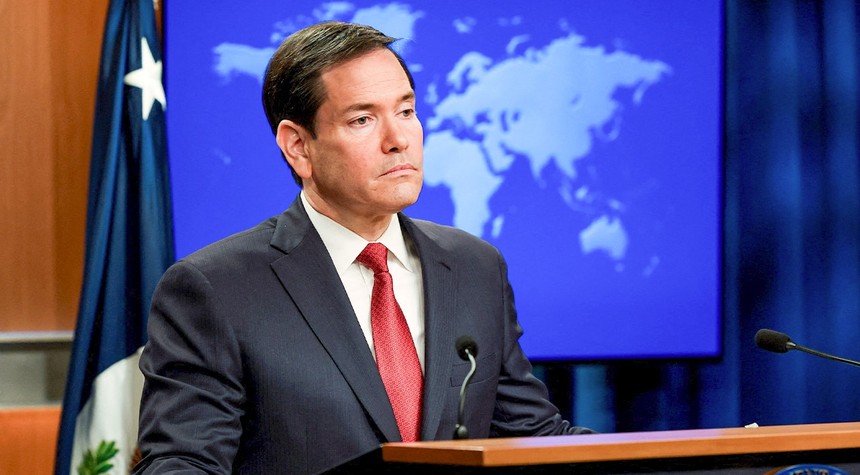
Secretary of State Marco Rubio announced the designation on Friday, simultaneously issuing an urgent warning for all Americans currently in Iran to depart immediately. The move represents the Trump administration’s latest effort to address what officials describe as a systematic pattern of hostage-taking that began with the 1979 seizure of the American embassy in Tehran.
“When the Iranian regime seized power 47 years ago, Ayatollah Khomeini consolidated his control of power by endorsing the hostage taking of U.S. embassy staff,” Rubio stated in his official announcement. “For decades, Iran has continued to cruelly detain innocent Americans, as well as citizens of other nations, to use as political leverage against other states. This abhorrent practice must end.”
The designation carries both symbolic and practical weight in American foreign policy. It formally acknowledges what many national security experts have long maintained: that Iran deliberately targets foreign nationals, particularly Americans, as bargaining chips in international negotiations. The practice has complicated diplomatic efforts for successive administrations and placed American travelers and dual citizens at considerable risk.
This action builds upon President Trump’s Executive Order to Protect U.S. Nationals from Wrongful Detention Abroad, issued last fall, and follows Congress’s subsequent passage of the Countering Wrongful Detention Act. Together, these measures create a comprehensive framework for addressing the wrongful detention of American citizens by foreign governments.
The timing of this designation is noteworthy. National security observers suggest it may signal broader strategic calculations regarding America’s approach to Iran. The administration appears to be consolidating its position on multiple fronts, from nuclear negotiations to regional security concerns, with this formal recognition of Iran’s detention practices serving as one component of a larger policy framework.
Iran has held numerous American citizens over the years, often on charges that Western governments dismiss as fabricated or politically motivated. These detentions have frequently coincided with periods of heightened tension between Washington and Tehran, lending credence to allegations that the regime uses prisoners as leverage in diplomatic negotiations.
The State Department’s warning for Americans to leave Iran immediately underscores the seriousness with which the administration views the current situation. Such advisories are not issued lightly, and this one suggests that officials possess intelligence indicating heightened risks for American citizens on Iranian soil.
For Americans with family ties to Iran or business interests in the region, this designation presents difficult choices. The clear message from Washington is that the United States government views travel to Iran as carrying unacceptable risks at this time.
The designation also serves notice to the Iranian regime that its treatment of foreign nationals will carry consequences in the international arena. Whether this formal recognition leads to changes in Iranian behavior remains to be seen, but it establishes a clear American position on practices that have persisted since the Islamic Revolution.
As tensions between Washington and Tehran continue to evolve, this designation adds another layer to an already complex relationship between two nations that have maintained adversarial positions for nearly half a century.
Related: Beijing Builds Dual-Use Space Facilities Throughout Western Hemisphere