
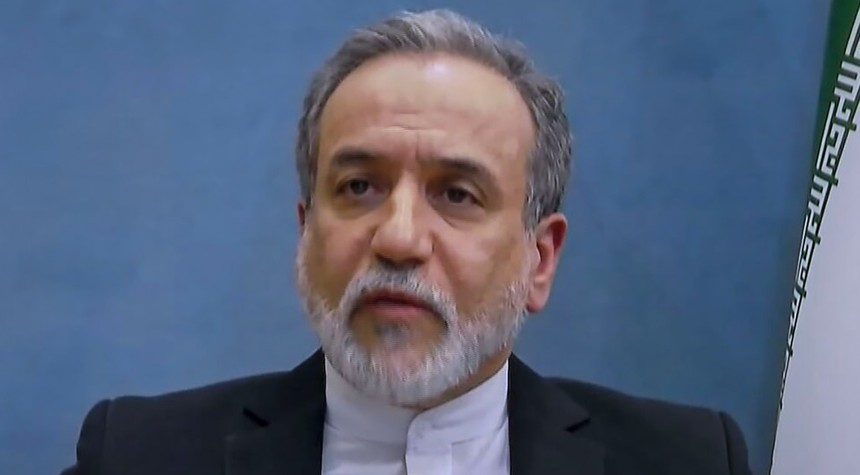
The prospect of overthrowing Iran’s Islamic Republic remains beyond reach despite massive military strikes and presidential appeals to the Iranian people, the nation’s foreign minister declared in stark terms from Tehran.
Abbas Araghchi, speaking hours after coordinated American and Israeli forces launched a significant assault on Iranian targets, characterized regime change as “mission impossible” while millions continue supporting the current government. His assessment came as President Donald Trump directly addressed Iranian citizens, urging them to seize what he described as a generational opportunity to reclaim their nation.
The timing of Thursday’s military operation raises troubling questions about diplomatic process and good faith negotiations. According to Araghchi, Iranian representatives had been engaged in substantive discussions with American special envoys Steve Witkoff and Jared Kushner in Geneva, working to prevent precisely such military action. The foreign minister indicated both sides had made meaningful progress on Iran’s nuclear program, resolving certain differences while preparing to address remaining concerns.
“A deal was at our reach,” Araghchi stated, expressing bewilderment at the decision to launch strikes while negotiations advanced. This sequence of events suggests either a fundamental breakdown in coordination within the administration or a deliberate strategy whose logic remains unclear.
The military operation claimed the lives of two Iranian commanders while senior government officials survived, including President Masoud Pezeshkian, the judiciary head, and the parliament speaker. Questions surrounding Supreme Leader Ayatollah Ali Khamenei’s status were addressed when Araghchi confirmed he remained alive, a fact later acknowledged through Iranian state media.
The strikes occurred during Ramadan, Islam’s holiest month of fasting, a timing certain to inflame regional tensions. This operation follows recent American military action that resulted in the capture of Venezuelan President Nicolás Maduro, demonstrating an increasingly assertive posture toward adversarial governments. It marks the second time in eight months this administration has employed military force against Tehran.
President Trump’s video message accompanying the operation went beyond standard military objectives, explicitly calling on Iranians to overthrow their government once American operations concluded. Israeli Prime Minister Benjamin Netanyahu echoed this appeal, suggesting the strikes would enable the Iranian people to determine their own future.
Yet Araghchi’s response highlights the complexity of internal Iranian politics that Western observers often oversimplify. While acknowledging dissent exists within Iranian society, he emphasized the government maintains substantial popular support and benefits from well-established political structures resistant to external pressure.
The reality on the ground presents a more nuanced picture than either side’s rhetoric suggests. Unprecedented nationwide protests last month prompted severe government crackdown. The US-based Human Rights Activists News Agency has confirmed more than seven thousand deaths through its network of ground activists, with thousands more under investigation. Tehran has acknowledged over three thousand fatalities, itself a staggering admission.
These figures represent genuine grievances within Iranian society. However, they do not necessarily translate into conditions favorable for regime change, particularly when prompted by foreign military intervention. History repeatedly demonstrates that external attacks often consolidate rather than fracture national unity, regardless of internal dissatisfaction.
The collapse of Geneva negotiations simultaneous with military strikes raises fundamental questions about American strategy. Whether this represents calculated pressure tactics or diplomatic failure remains unclear, but the immediate result has been to harden positions on both sides while regional stability deteriorates further.
Related: Iranians Celebrate in Streets Following Death of Supreme Leader Khamenei