
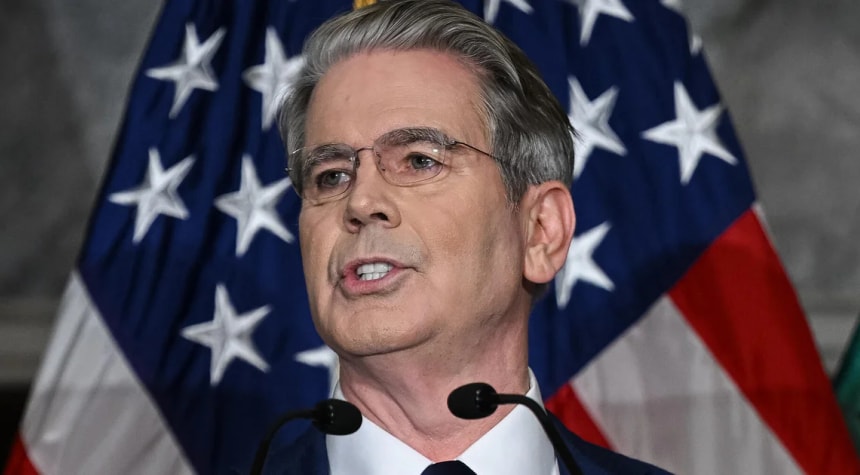
Treasury Secretary Scott Bessent has relocated from his residence in the Washington area to a military installation following credible threats against his life from the Iranian government. The move represents a significant escalation in tensions between the United States and Tehran as American economic pressure continues to squeeze the Iranian regime.
A Treasury Department spokesperson confirmed the relocation, stating that the secretary remains undeterred by Iranian intimidation and will continue executing what has been termed Operation Economic Outcast, a comprehensive sanctions program designed to cripple Iran’s financial infrastructure. The blockade and accompanying measures have reportedly brought Iran’s economy to the brink of collapse.
The security concerns that prompted Bessent’s relocation intensified after a publication featured online photographs that revealed the location of his Georgetown home, effectively providing hostile actors with his residential address. Intelligence officials have determined that the threat level reached a point where conventional security measures at his private residence were no longer adequate.
National intelligence chief Jay Clayton issued an unclassified memo last month warning that Iran has substantially increased efforts to target American citizens, particularly current and former government officials operating in the Middle East and beyond. The memo, which was sent to Secretary of State Marco Rubio, indicates that Iranian plotting against American officials has reached a more advanced stage than previously assessed.
Bessent has been the architect of what he has termed an economic onslaught against Tehran, implementing an intricate network of sanctions that target Iran’s ability to conduct international trade and access global financial systems. These measures have proven remarkably effective, according to administration officials, in degrading Iran’s economic capacity and limiting its ability to fund proxy forces throughout the region.
The heightened threat environment has prompted adjustments across American diplomatic and military installations in the Middle East. The State Department has modified staffing levels at various diplomatic posts, while the Pentagon has reduced its military footprint in the region. These decisions reflect genuine concerns about direct attacks from Iranian forces and threats from Iranian-backed organizations, including the Houthi movement in Yemen.
In recent weeks, the United States military removed aircraft from two British bases following specific threat reporting from Iran. These tactical withdrawals demonstrate the seriousness with which American security officials are treating Iranian capabilities and intentions.
Despite these security challenges, Secretary of State Rubio stated this week that he sees no need to resume major combat operations against Iran. The secretary expressed confidence that economic sanctions and other restrictions are functioning effectively enough to achieve American strategic objectives without military action. This assessment suggests that diplomatic efforts to resolve the broader conflict may be gaining momentum.
The situation underscores the delicate balance American officials must strike between maintaining pressure on adversarial regimes and protecting personnel from retaliation. That Treasury Secretary Bessent has been forced to abandon his home and move to a military facility illustrates the very real dangers faced by those who implement policies that threaten hostile foreign governments. The secretary’s determination to continue his work despite these threats reflects the administration’s commitment to its Iran strategy, even as the personal costs to those involved become increasingly apparent.
Related: Former President Biden Confronted by Protesters During Visit to Dublin