
The United States will reopen commercial airspace over Venezuela, President Donald Trump announced Thursday, marking a significant shift following recent military operations that resulted in the capture of dictator Nicolás Maduro.
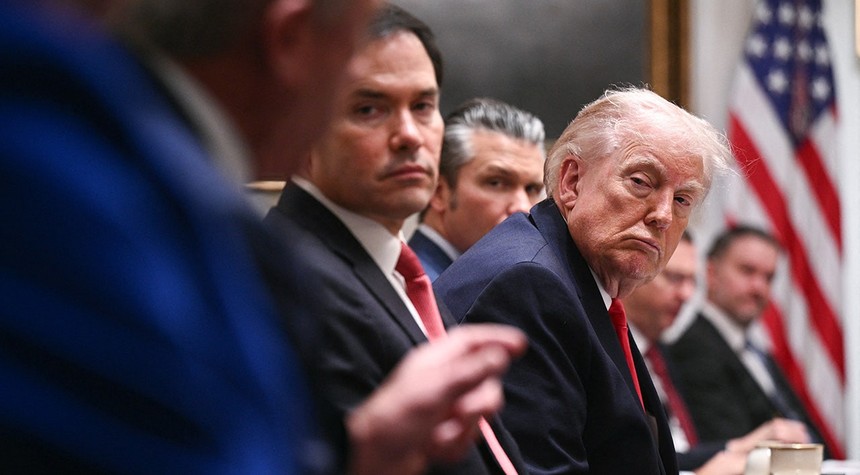
Speaking during a Cabinet meeting, the President disclosed that he had spoken directly with Venezuela’s interim president and informed her of the decision to restore civilian flight operations. The move reverses an emergency Federal Aviation Administration notice issued in January that prohibited U.S. aircraft from operating in Venezuelan airspace.
“American citizens will be very shortly able to go to Venezuela, and they’ll be safe there,” Trump stated. “It’s under very strong control.”
The President directed Transportation Secretary Sean Duffy and the U.S. military to implement the airspace reopening by day’s end Thursday. This decision comes as the Trump administration manages what it describes as a temporary oversight role in Venezuela until a peaceful democratic transition can be established.
The circumstances leading to this moment are extraordinary by any measure. American forces conducted operations within Venezuela that resulted in Maduro’s capture, ending decades of authoritarian rule that had devastated what was once South America’s wealthiest nation. The administration has maintained that its intervention was necessary to address humanitarian concerns and regional instability.
The United States now finds itself in the complex position of facilitating Venezuela’s return to democratic governance while managing day-to-day security and diplomatic functions. Administration officials have emphasized that this arrangement is intended to be temporary, with the goal of restoring Venezuelan sovereignty under legitimate leadership.
The reopening of commercial airspace represents both a practical and symbolic development. For years, Venezuela’s deteriorating infrastructure and political chaos made the country increasingly isolated from international commerce and travel. The FAA’s January emergency notice reflected the immediate security concerns during active military operations.
Now, with Maduro removed from power and American forces establishing security protocols, the administration believes conditions have improved sufficiently to allow civilian air traffic to resume. This decision will facilitate not only tourism and business travel but also humanitarian efforts and family reunifications for the millions of Venezuelans who fled the country during Maduro’s rule.
The administration’s approach to Venezuela has drawn both support and scrutiny. Proponents argue that decisive action was necessary to end a humanitarian catastrophe and remove a destabilizing force in the Western Hemisphere. Critics have questioned the precedent of direct American intervention and the challenges of managing a transition in a nation with deep economic and social wounds.
Secretary of State Marco Rubio has indicated that while the United States has no long-term plans to maintain a military presence in Venezuela, the administration remains prepared to address any imminent threats that might emerge during the transition period.
The situation in Caracas remains fluid as American officials work with Venezuelan civil society leaders and opposition figures to establish frameworks for elections and institutional reforms. The reopening of airspace, however, signals confidence that basic security has been established and that Venezuela is beginning its path toward normalcy.
Related: Taxpayer-Funded Broadcaster Issues Apology After Removing Jews from Holocaust Memorial Reports