
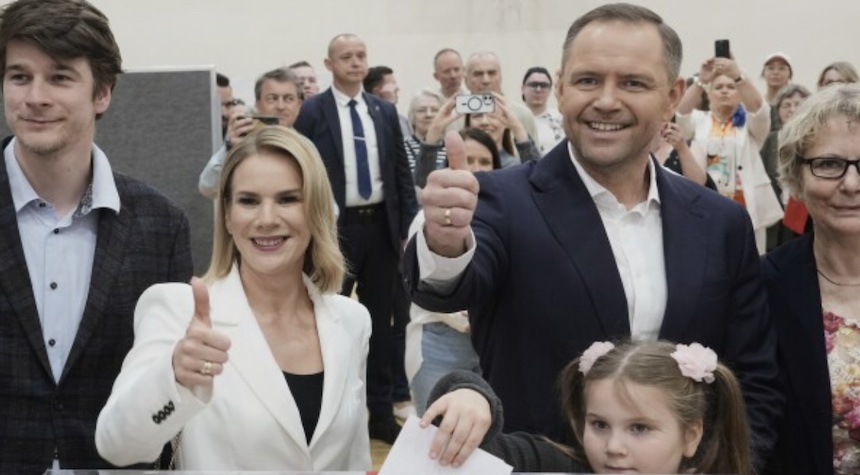
Poland has elected a new president: Karol Nawrocki, a conservative historian with nationalist leanings. This development follows earlier reports that indicated a rising tide of right-wing populism in central Europe. Nawrocki is preparing for his inauguration on August 6.
Nawrocki’s presidency may lead to significant shifts in Poland’s domestic and foreign policies. These could potentially cause tension between Poland and the European Union, while aligning the nation more closely with the Trump administration in the United States.
Nawrocki’s election illuminates the enduring appeal of nationalist rhetoric among many in the Central European country. This, combined with a campaign focused on patriotic themes and traditional Catholic values, has proven influential to a large portion of Poland’s electorate.
Nawrocki’s success also reflects a broader trend across Europe, where concerns about migration, national sovereignty, and cultural identity have bolstered support for right-leaning parties. His victory further underlines the appeal of nationalist and conservative views, which were already evident in Poland’s first round of voting.
Nawrocki’s presidency presents a direct challenge to Prime Minister Donald Tusk. The Prime Minister, who returned to power in late 2023, pledged to restore relations with the EU and reinstate judicial independence, actions that have been criticized by the Law and Justice party backing Nawrocki.
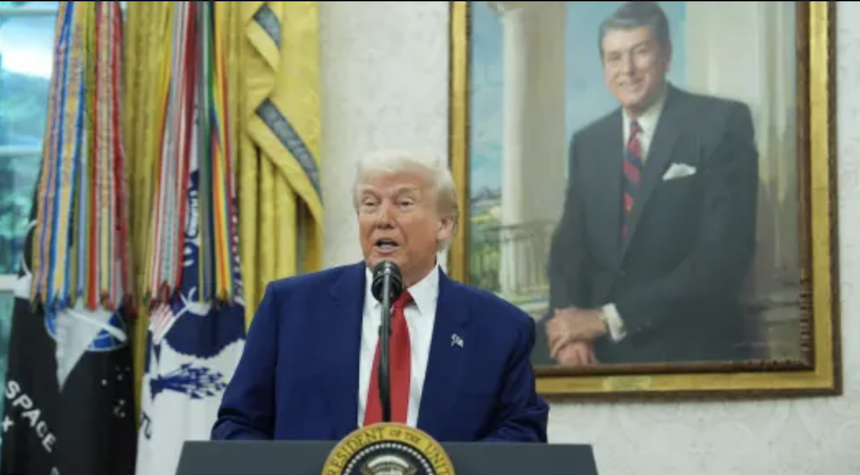
Nawrocki’s election could strengthen relations between Poland and the Trump administration, with whom Poland shares a close alliance. Nawrocki aligns closely with Trump’s worldview, suggested by a warm reception at the White House just a month before the election.

While Nawrocki supports Ukraine’s defense against Russian aggression, he has questioned the costs of aid, notably for refugees. This raises important questions about Poland’s position as a strong ally, or rather, a conditional partner with Ukraine.
The significance of this election result should not be overlooked by the EU, which saw Tusk’s return in 2023 as a sign of renewed pro-European engagement. With Nawrocki at the helm, it is reasonable to expect renewed tensions with EU institutions and potential policy instability, as reflected in a slight weakening of Poland’s currency, the zloty.
Both sides of this issue present compelling arguments. However, the facts, as we now know them, suggest a forthcoming period of political tension and possible gridlock, with Nawrocki’s power to veto legislation challenging Tusk’s plans.