

An expected telephonic interaction between President Donald Trump and Chinese leader Xi Jinping, projected to occur this week, could potentially include a third participant.
This additional participant could be none other than visiting German Chancellor Friedrich Merz. President Trump is known for capitalizing on such opportunities to introduce individuals or include them in discussions they might not have originally been slated for.
The possibility of this expanded conversation was confirmed during a briefing on Monday by White House press secretary Karoline Leavitt. However, no clear indication was given regarding the likelihood of Chancellor Merz being part of this high-level discussion.
The prospect of the leaders of three of the most influential nations in the world banding together on a phone call about pressing economic issues is an occurrence that is rare. This potential surprise element only adds to the intrigue. Both sides of this issue present compelling arguments.
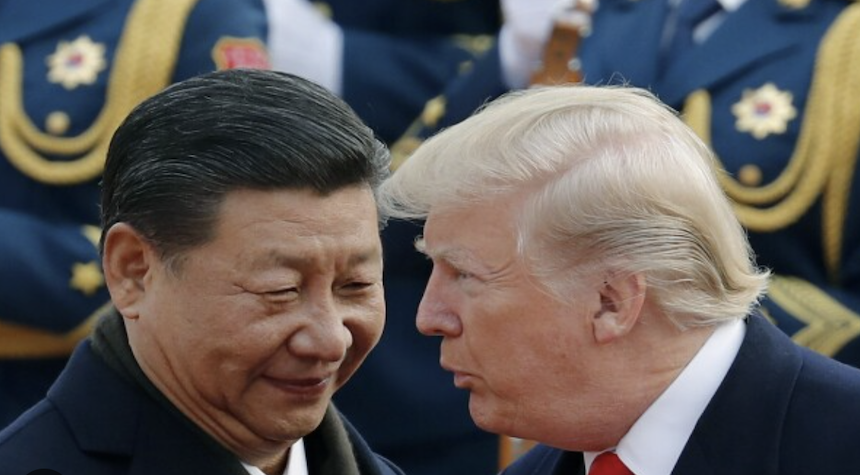
According to reliable sources, the clock is ticking as world leaders continue to debate their long-term response to Trump’s tariff strategy. With time running out on a 90-day pause of reciprocal tariffs imposed on April 2, a sense of urgency is palpable in Washington to put bilateral talks on a streamlined path.
The significance becomes clear when we consider a draft letter sent to negotiation partners. This document reveals the Trump administration’s desire for countries to submit their best offer on trade negotiations by Wednesday, in a bid to expedite talks with multiple partners. Interestingly, sources from the European Union maintain that they have not received this letter.
A private-sector survey released on Tuesday indicates that China’s factory activity in May contracted for the first time in eight months. This finding suggests that U.S. tariffs are beginning to directly impact the manufacturing powerhouse. The significance of this should not be overlooked.
As we await the outcome of this anticipated call between world leaders, the implications for global economic policy and trade relations remain to be seen.